How much does basement waterproofing cost in Kent?
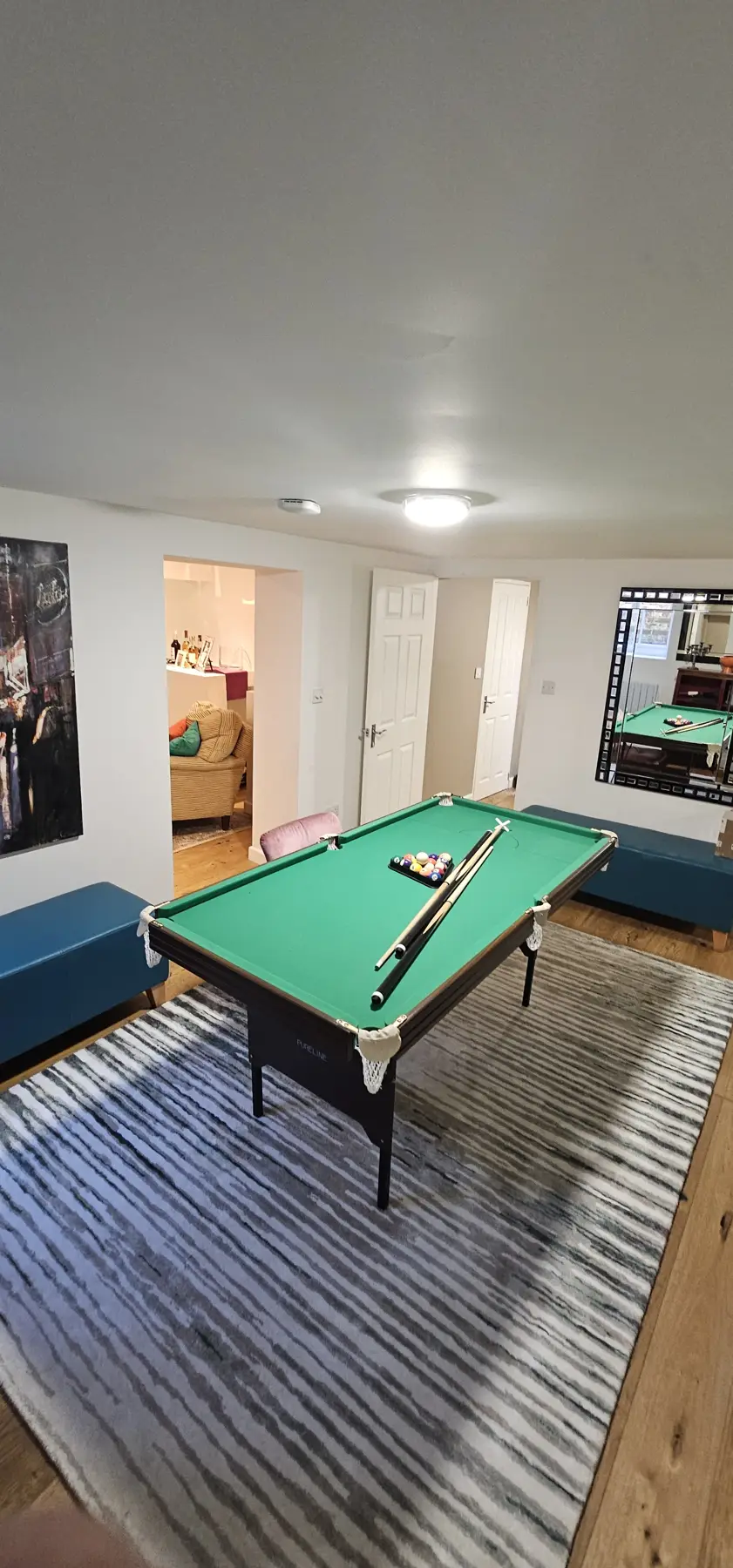
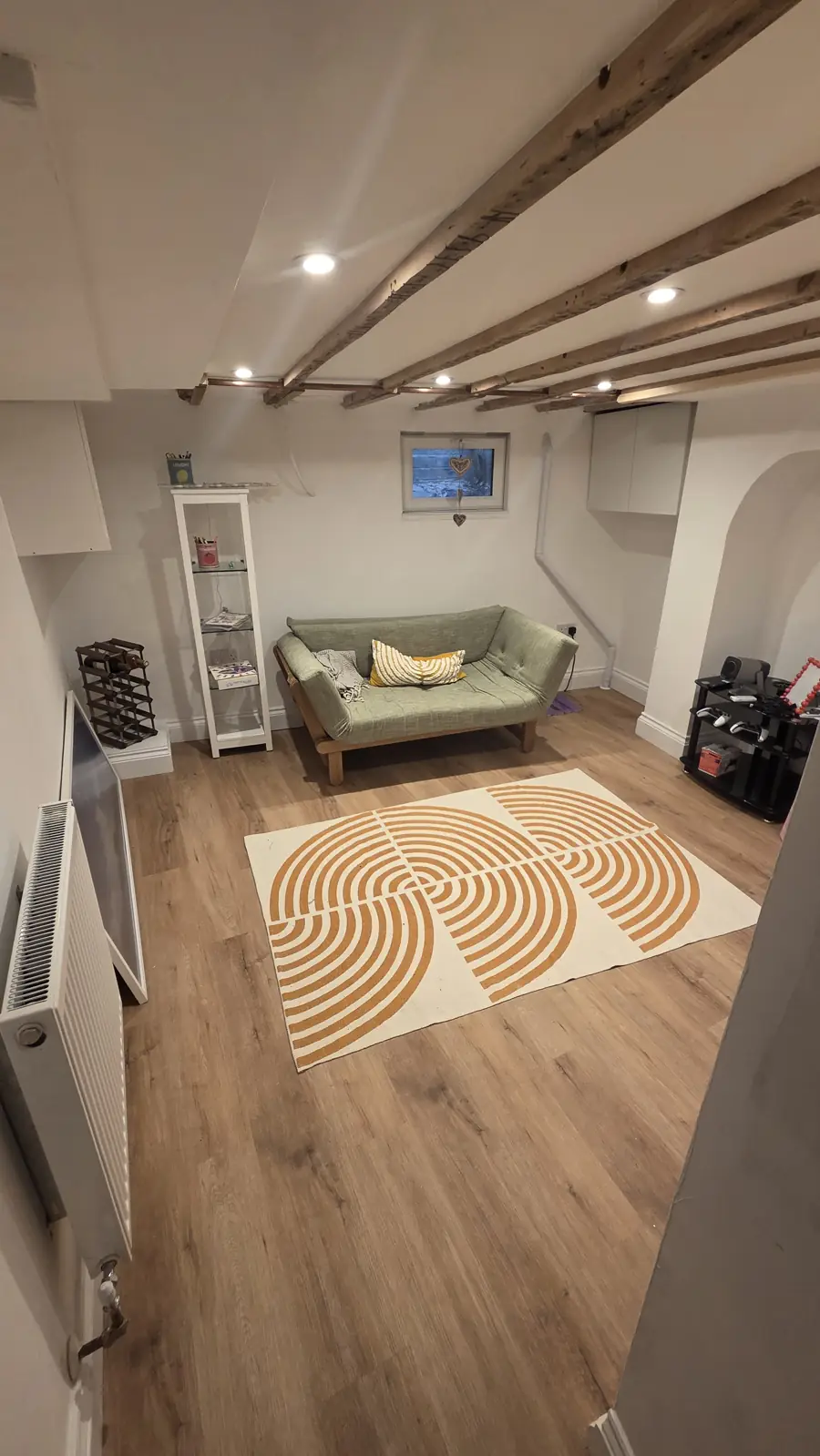
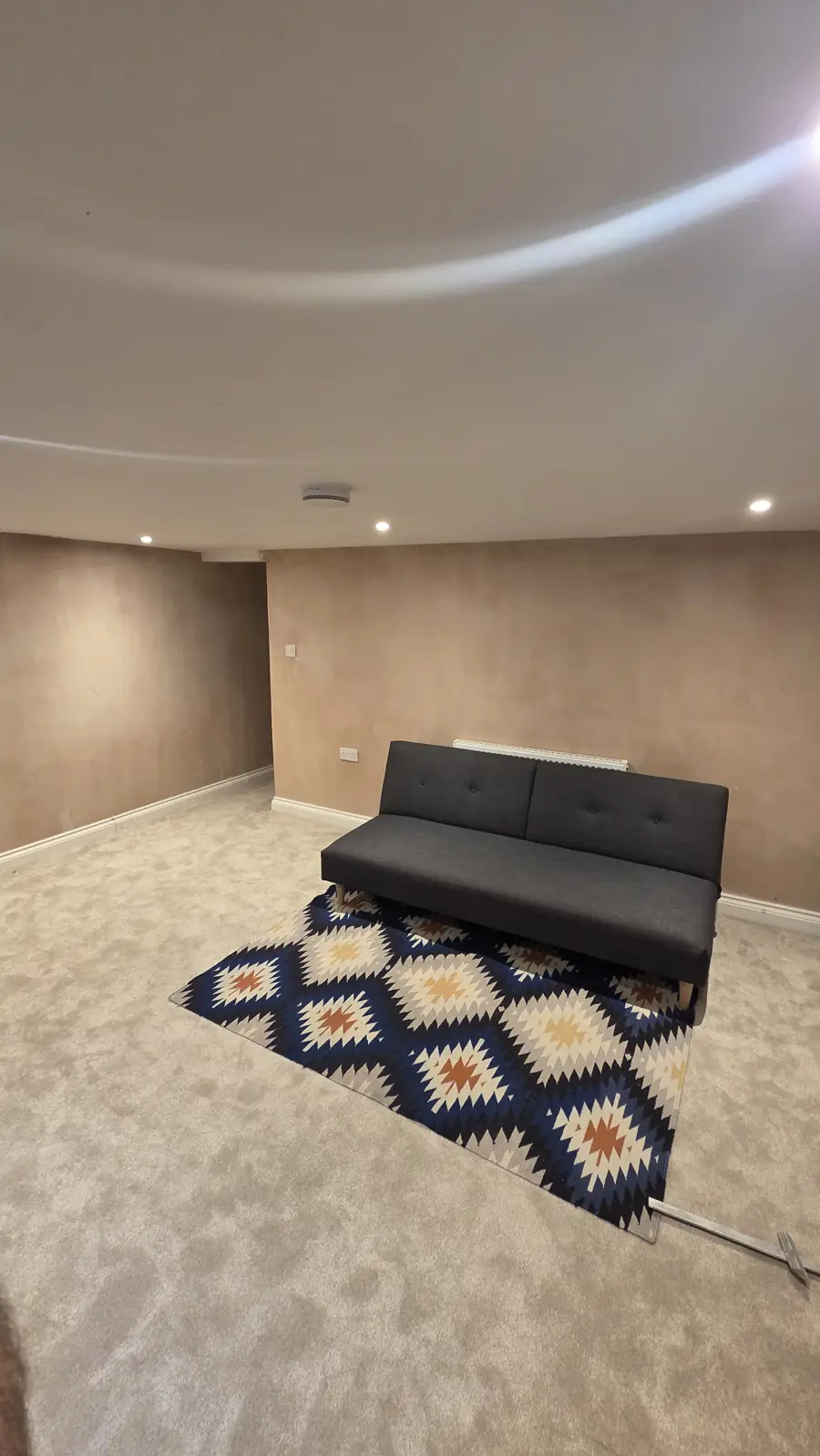
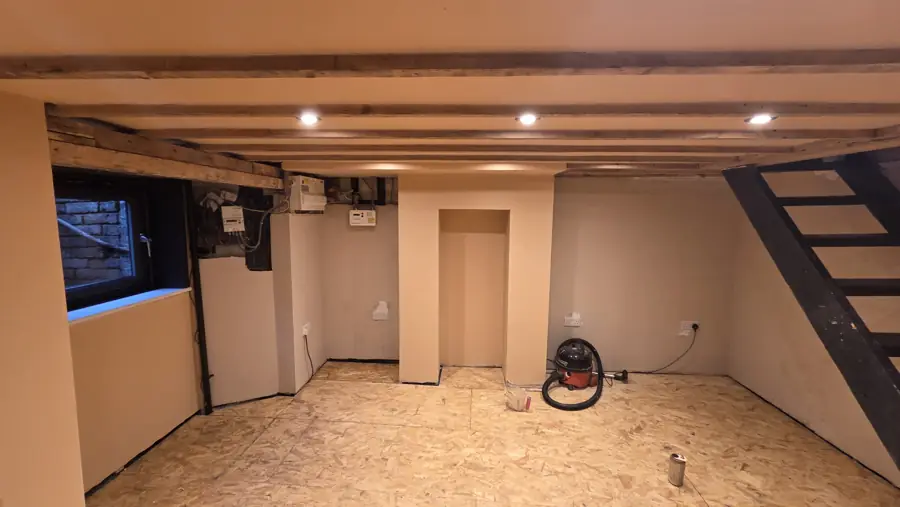
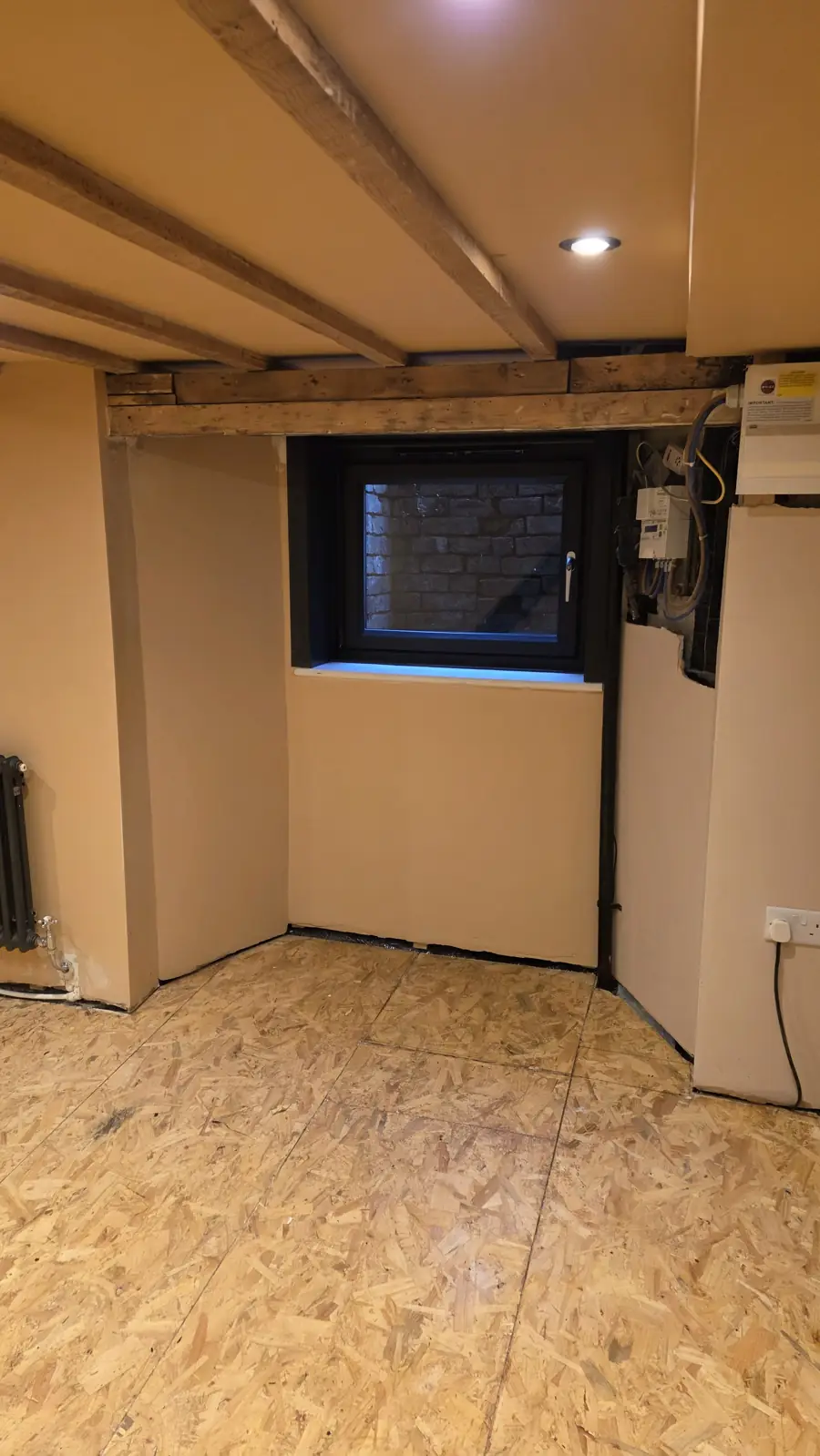
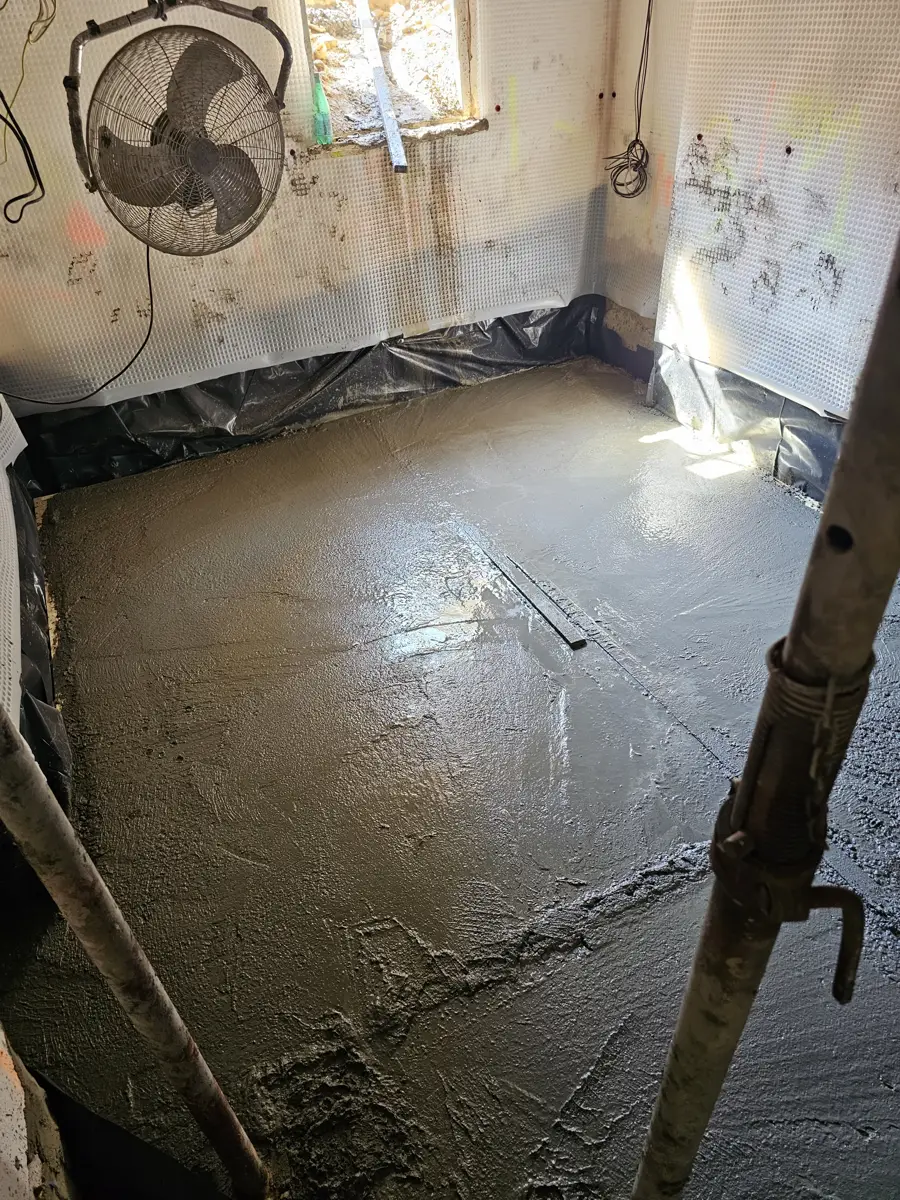
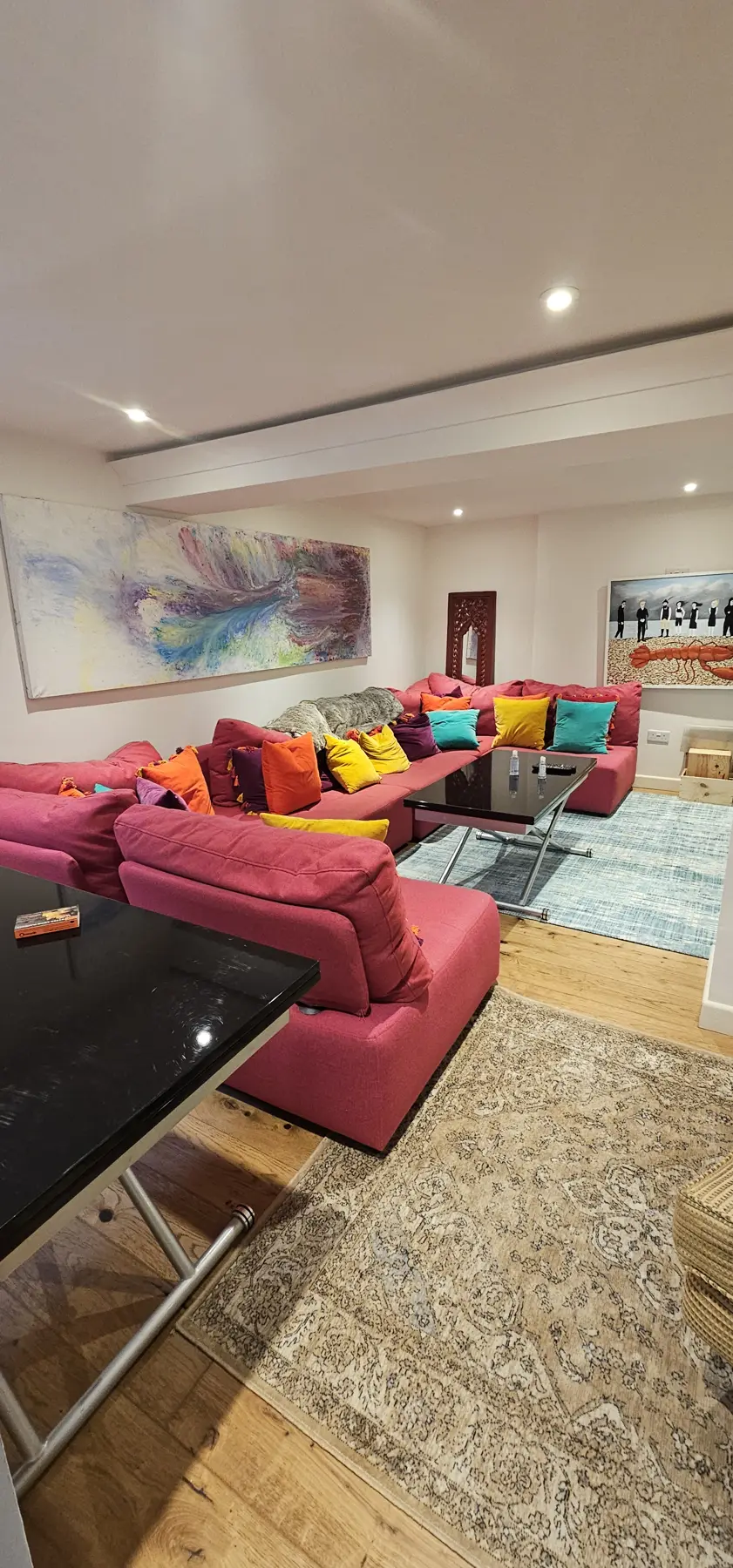
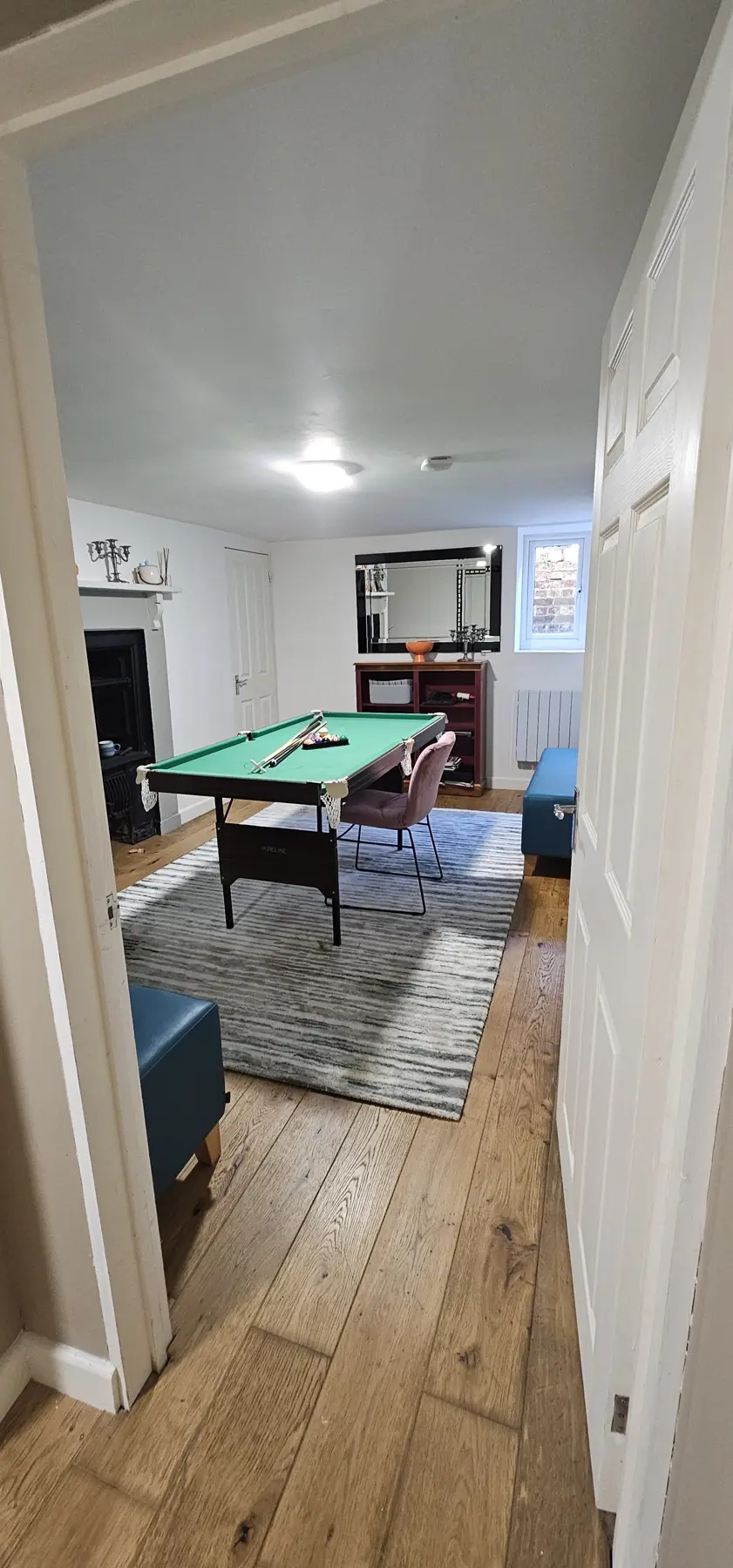
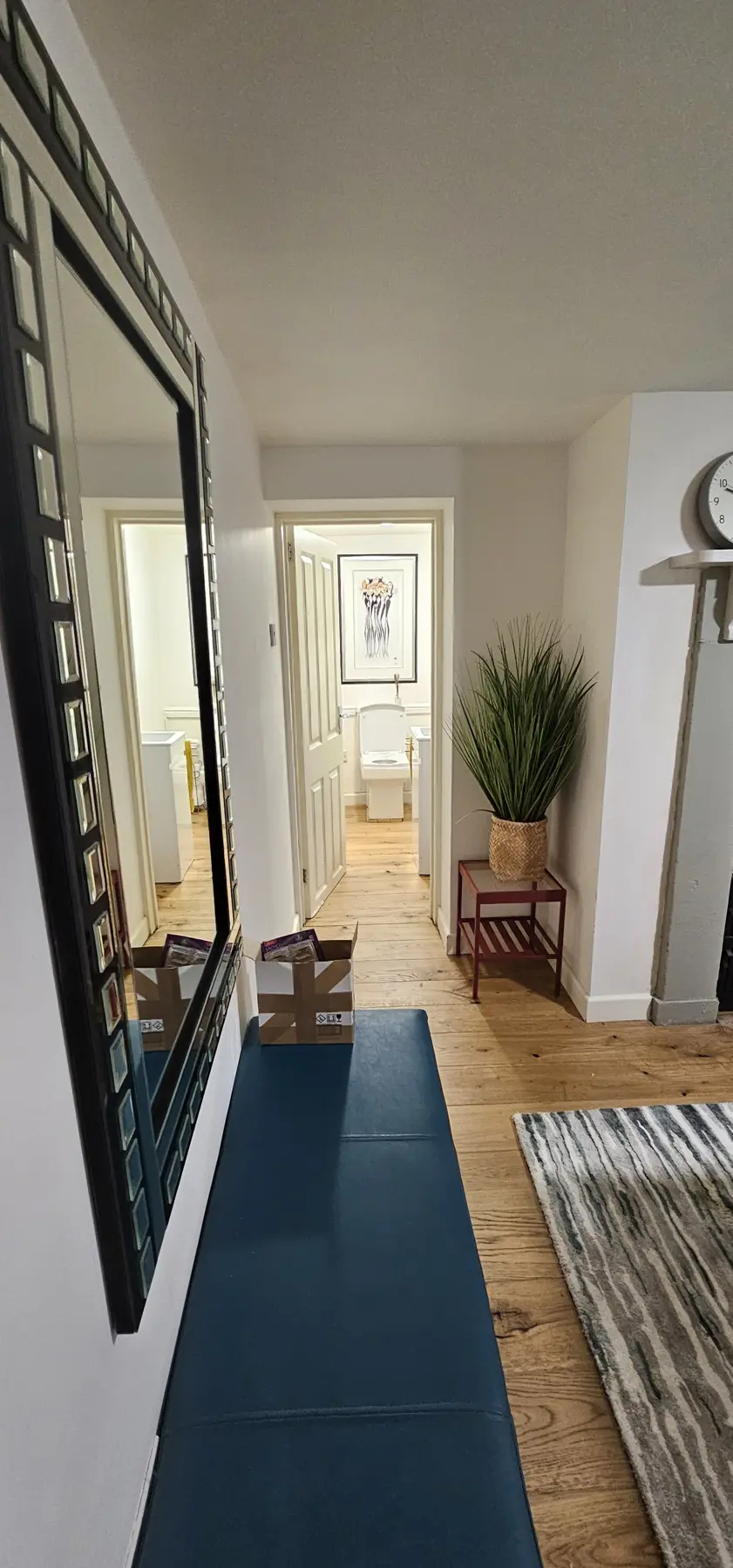
A full cavity drain membrane system with perimeter drainage and a sump pump for a typical existing cellar starts from around £5,500 + VAT. That is stage one of a conversion, and gives you a dry cellar ready to finish. Treating one damp wall or floor area starts from about £1,500 + VAT. A new sump and pump where the cellar has none is around £3,000 + VAT, and much less where a sump already exists. A full cellar conversion, waterproofed and finished with plaster, electrics and heating, is typically £18,000 to £22,000 + VAT. The exact price depends on floor and wall area, access, the pump system needed and the finish you want, so we confirm it in a free written quote after a survey.
Is my cellar damp or is it condensation?
Condensation shows as surface moisture, black mould and a musty smell on cold surfaces, and often gets worse in winter when the room is warm and humid. Groundwater and penetrating damp leave tide marks, salt deposits, blistering paint, puddles or a wet floor after heavy rain, and do not improve with heating or ventilation. Many cellars have both. We test the walls and floor with a moisture meter and check ventilation, drains and ground levels before recommending anything, so you pay for the right fix.
What is a cavity drain membrane, and why is it better than tanking?
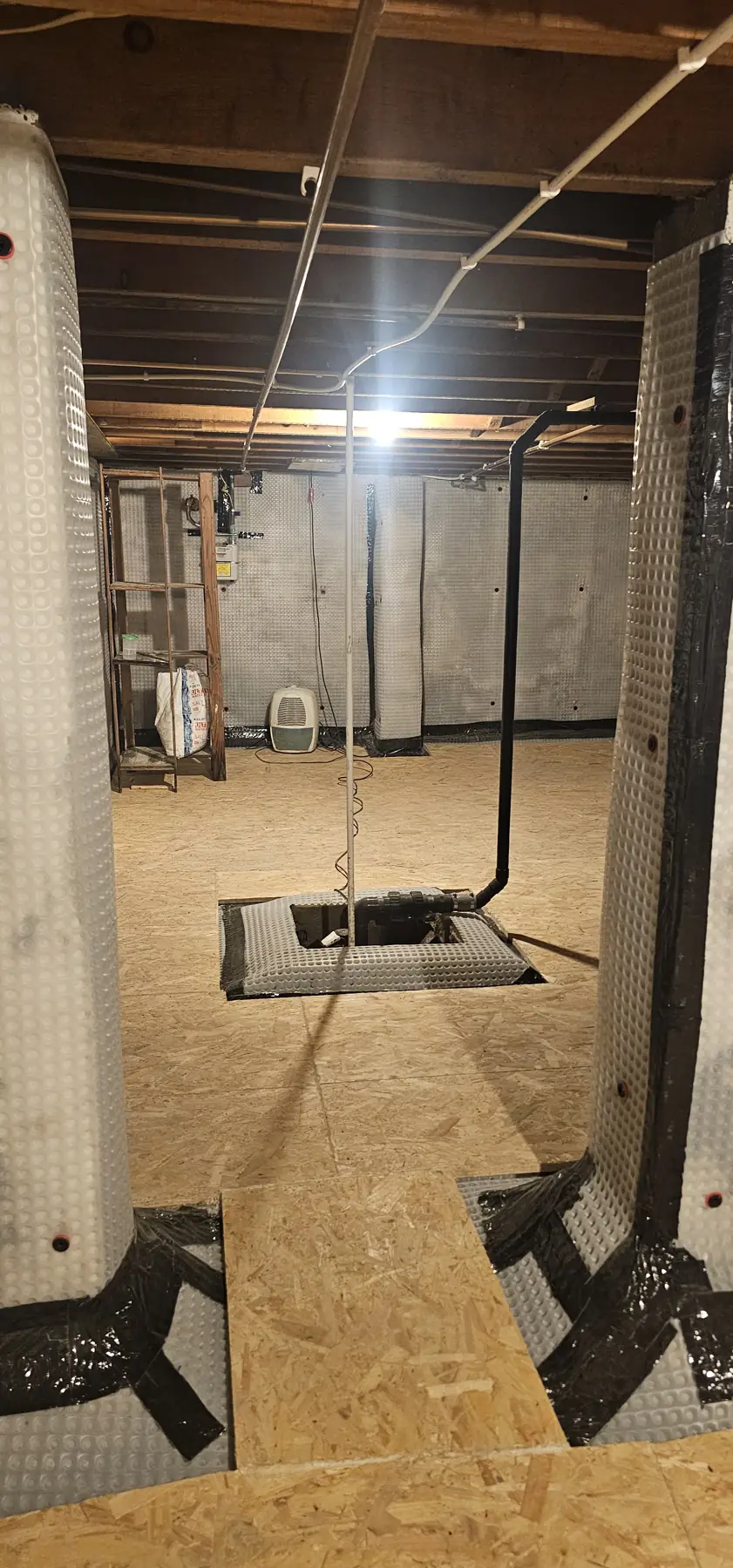
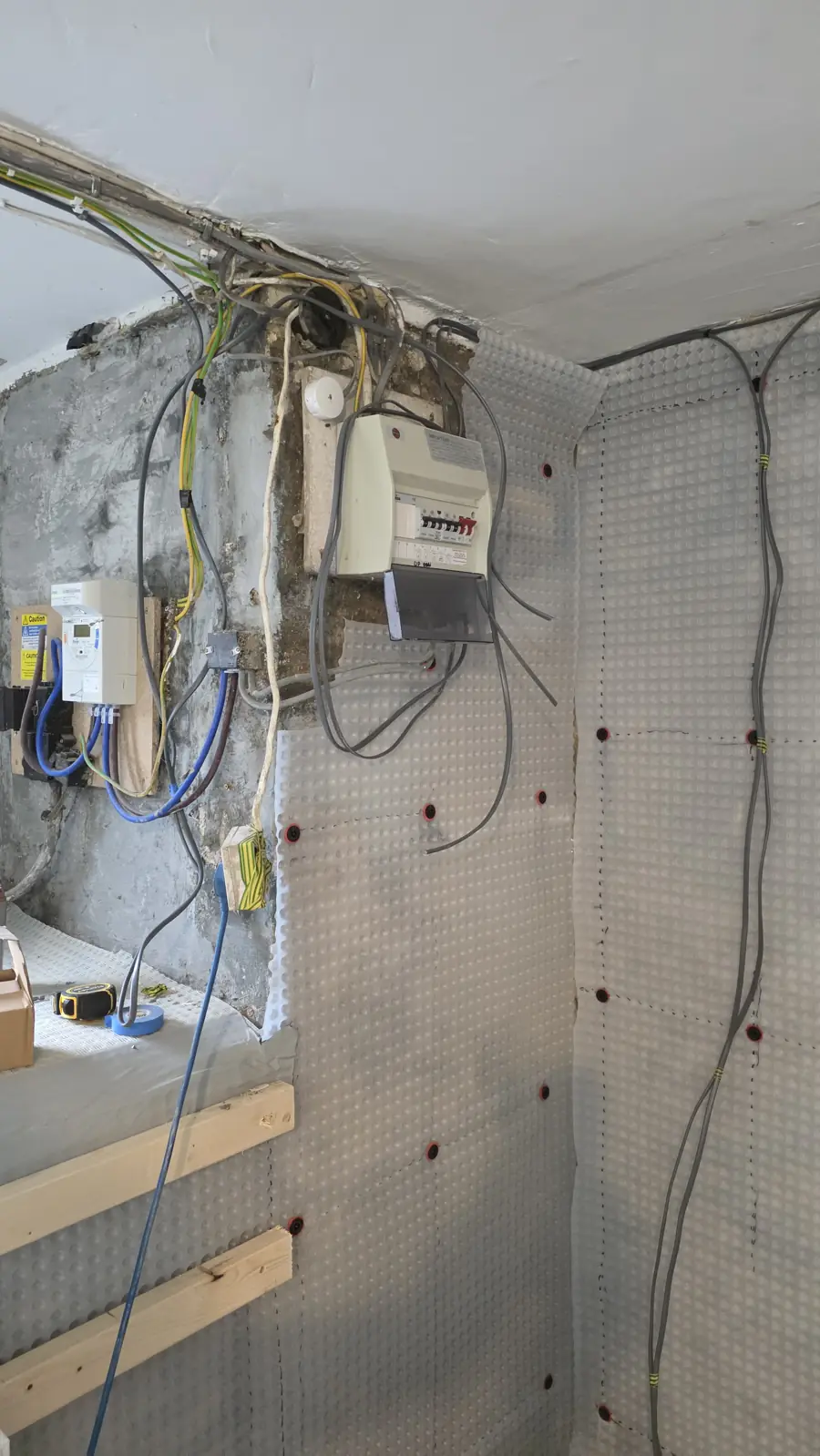
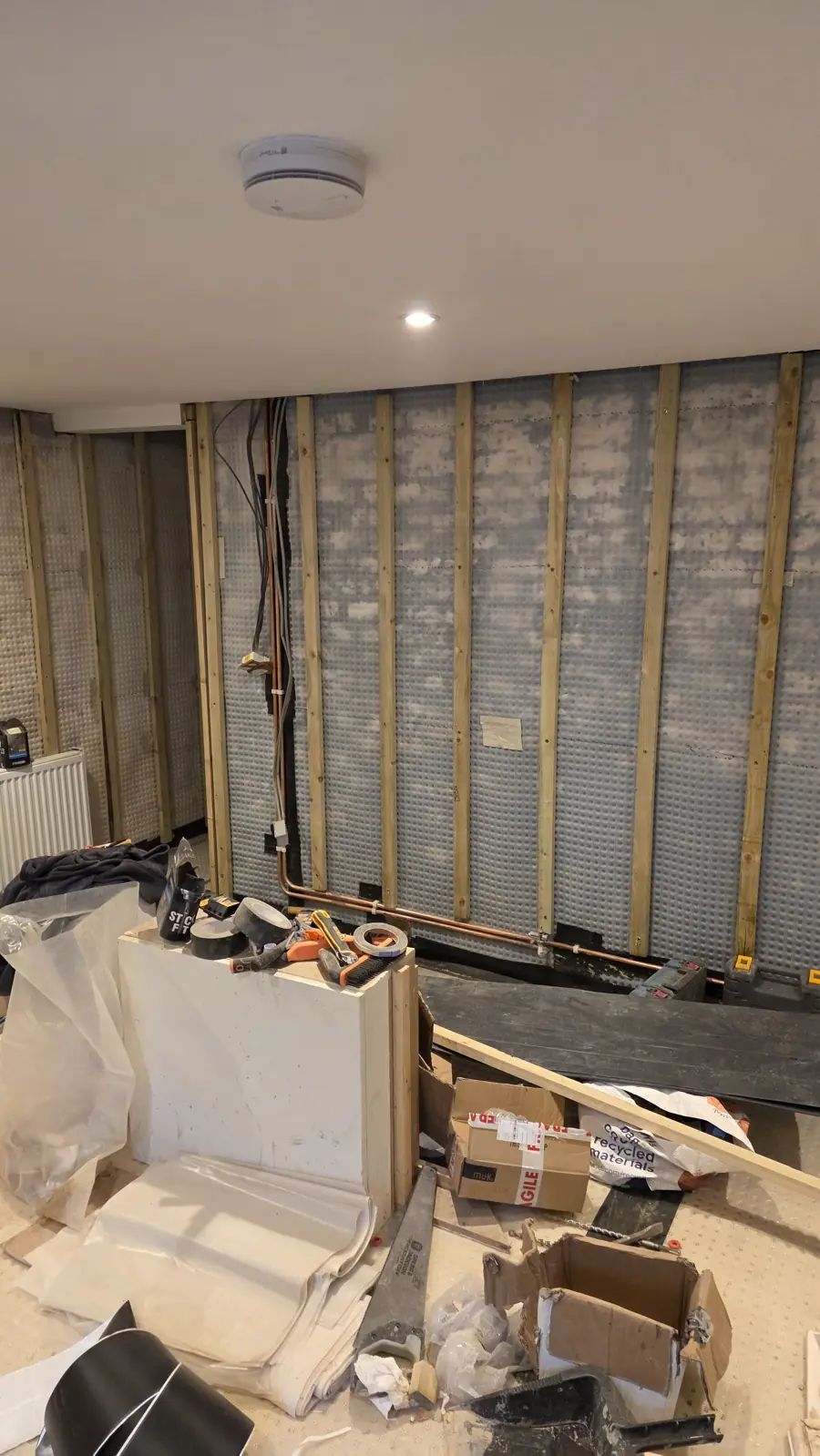
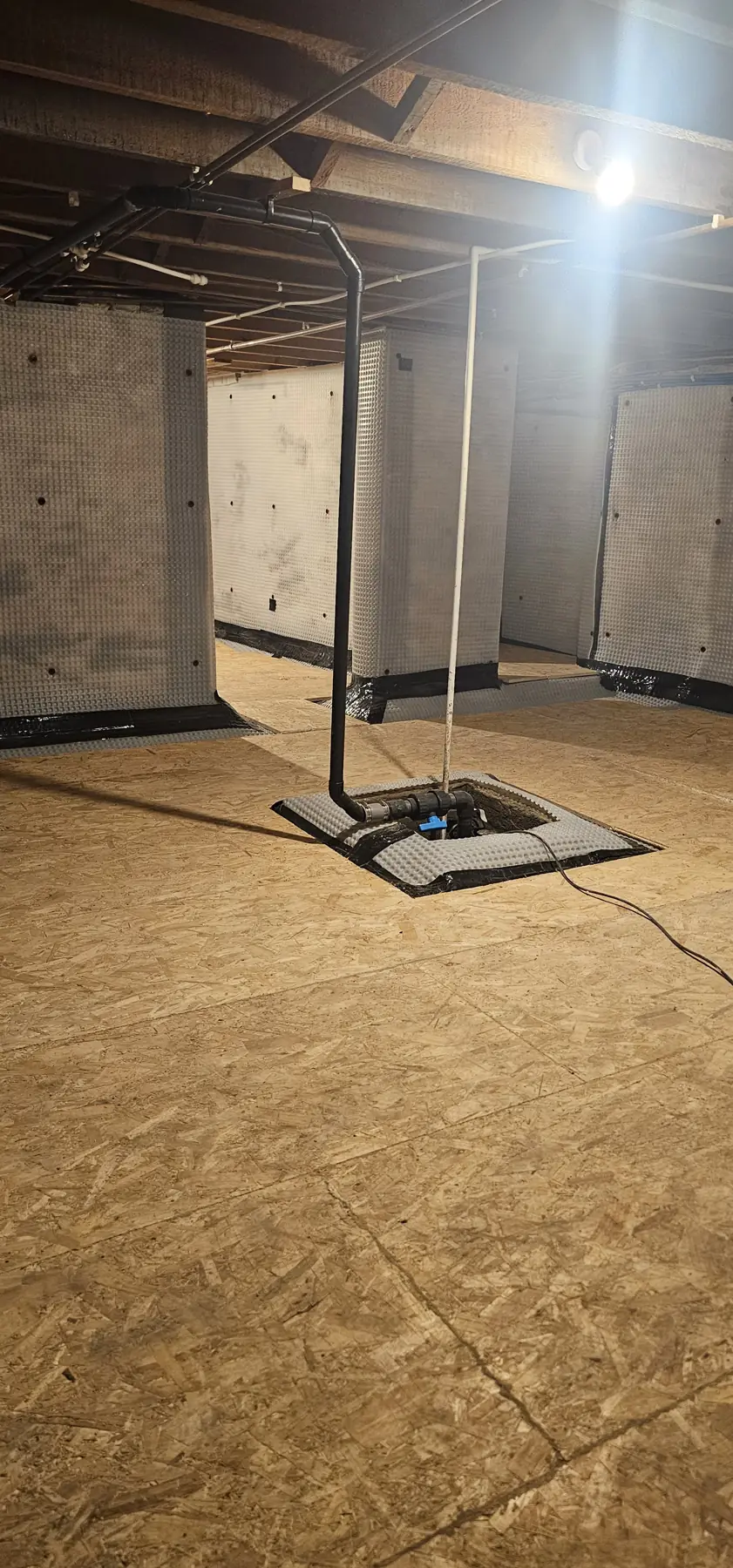
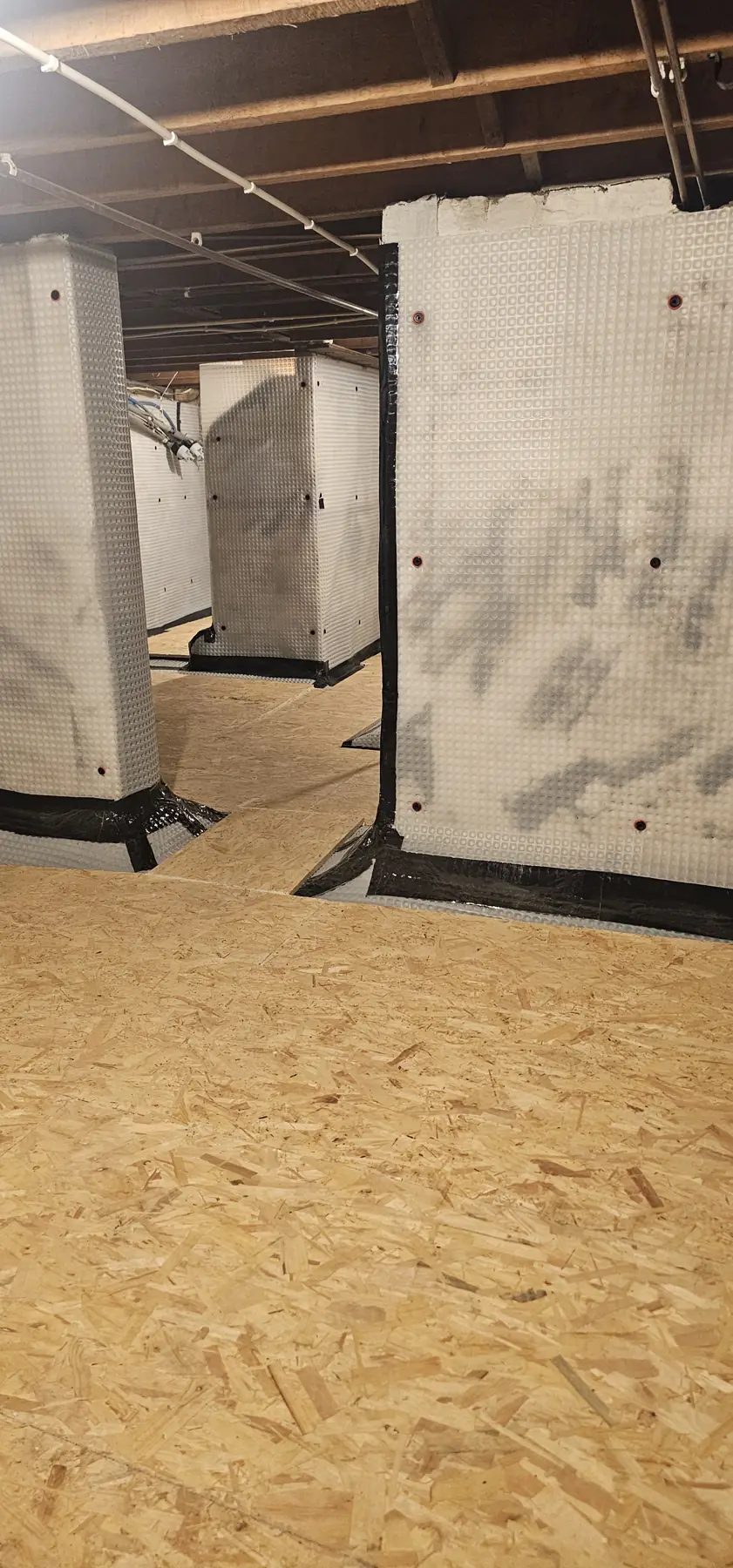
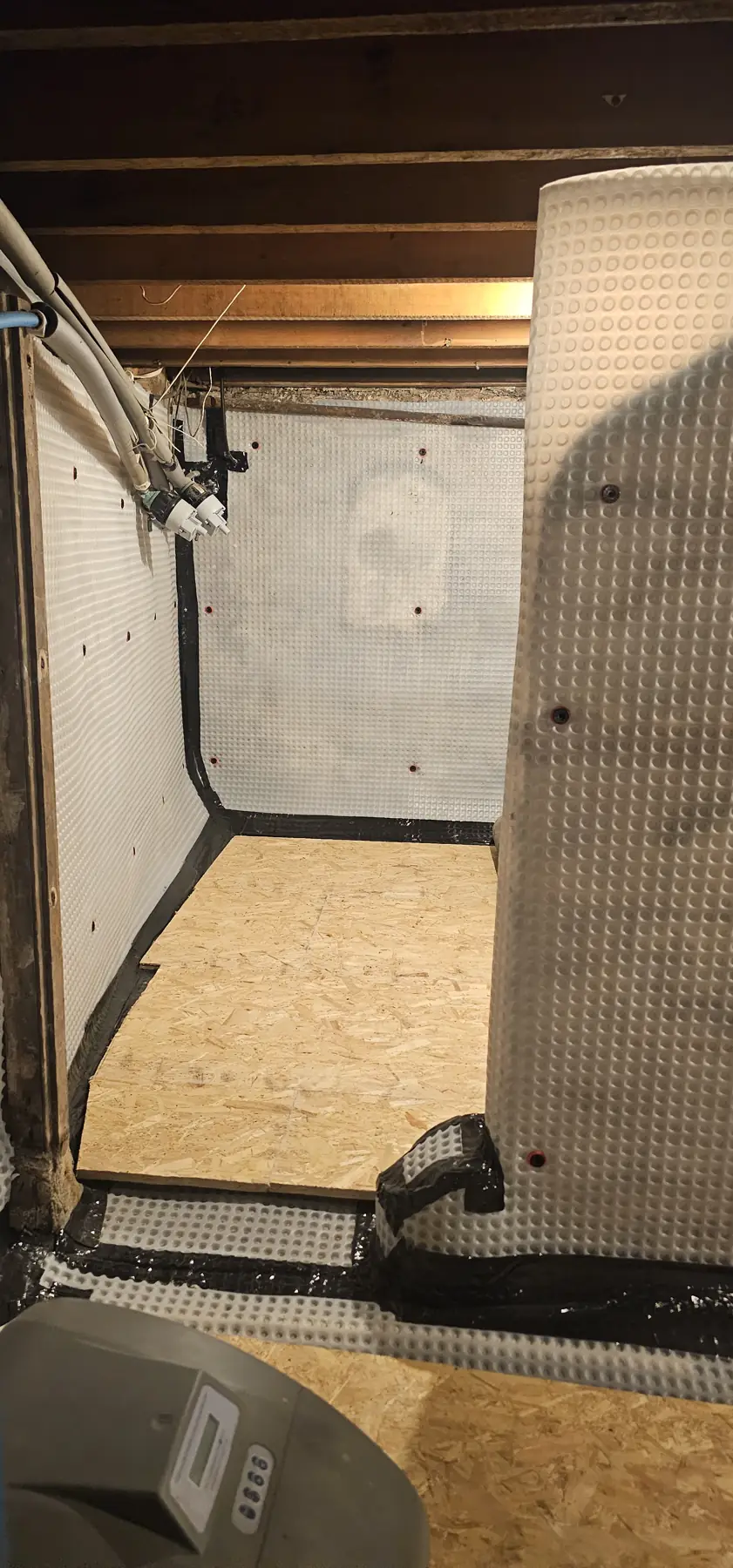
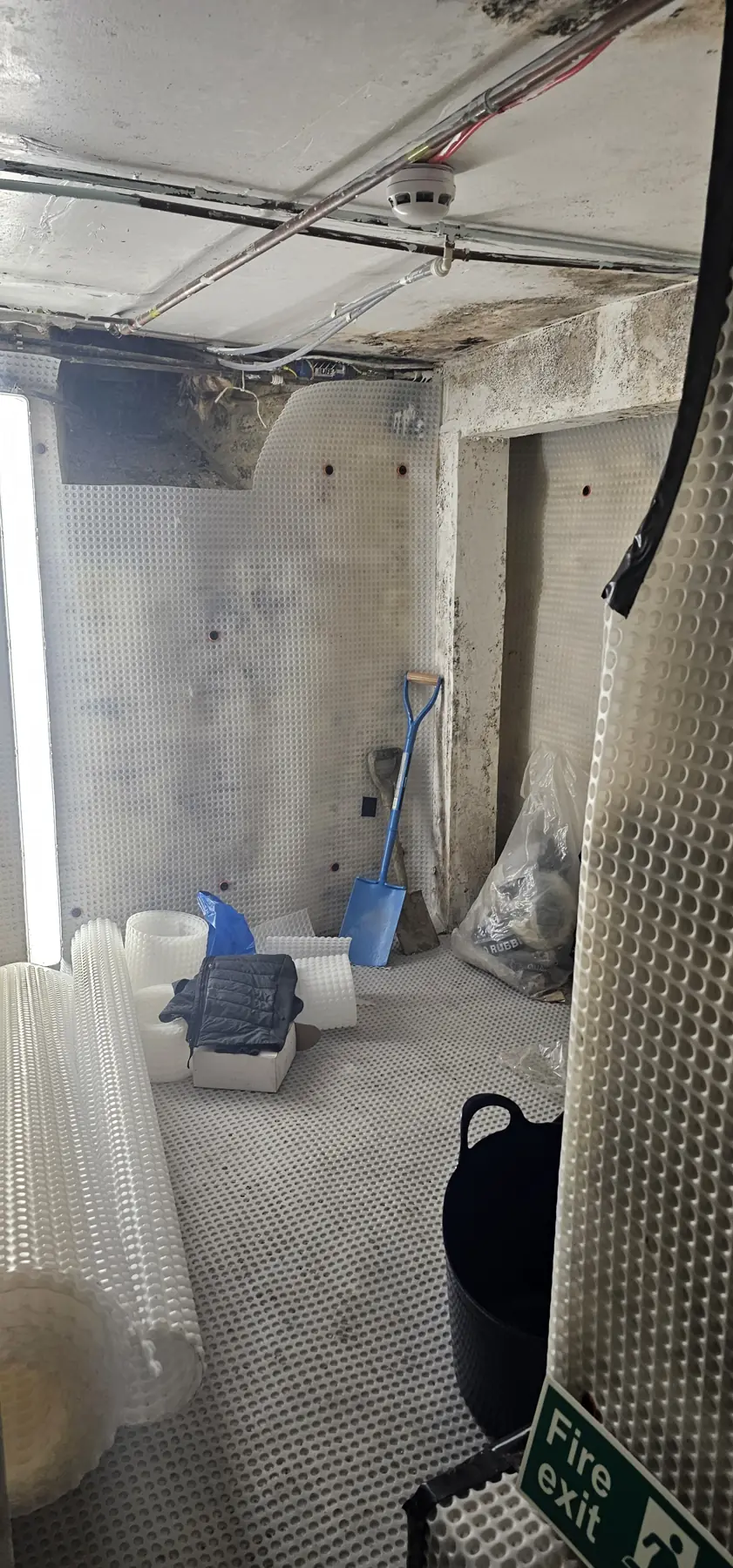
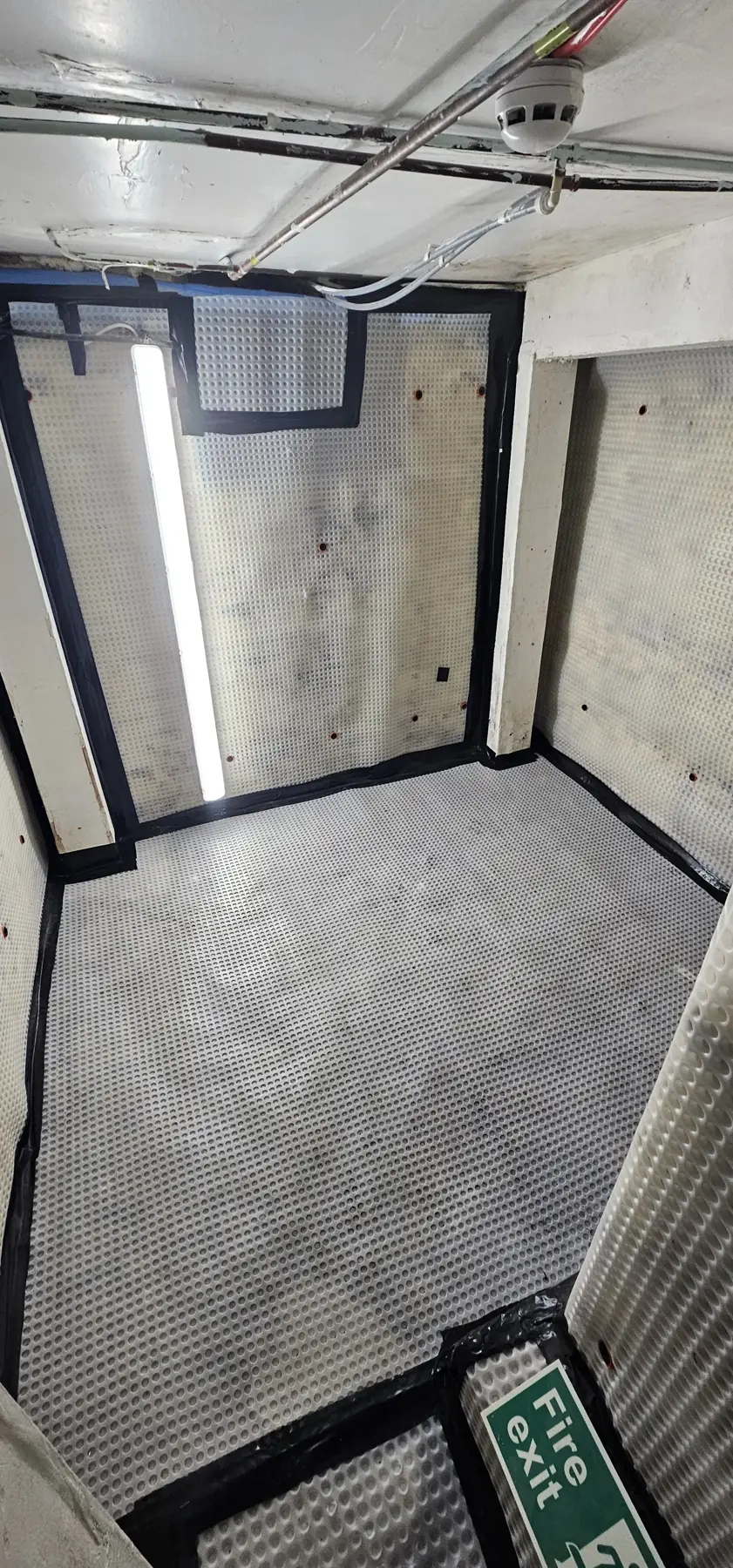
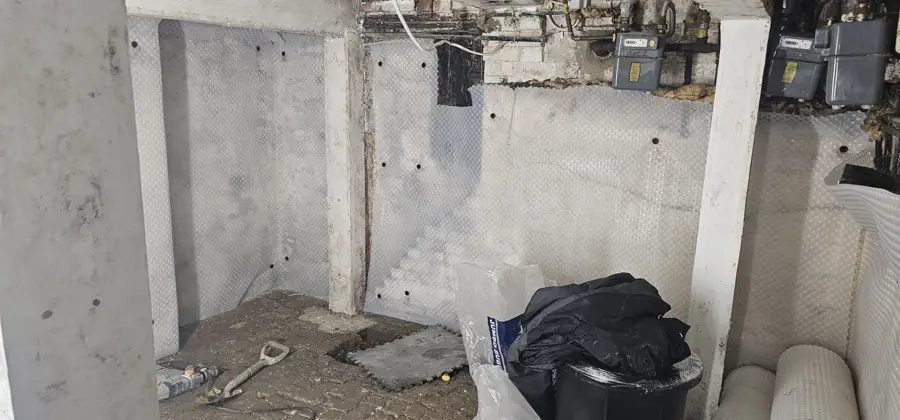
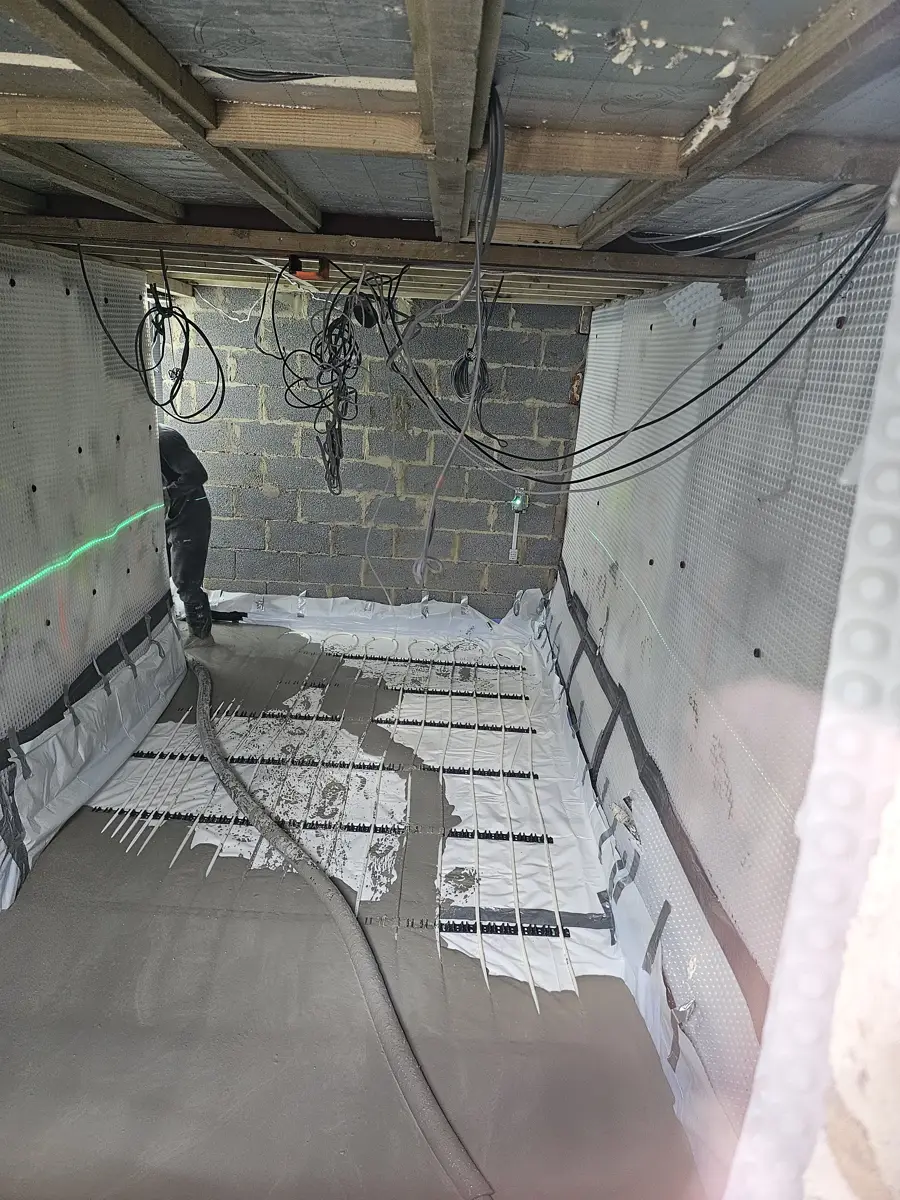
A cavity drain membrane is a studded plastic sheet fixed to the walls and floor. Water that gets through the brickwork runs down behind it into perimeter drainage channels and a sump, where a pump sends it out to a drain. It manages water instead of trying to block it, so it does not blow off the wall under pressure the way cement tanking or bitumen paint can. It is the system recommended for existing basements and the one we install.
Why did my old tanking or bitumen paint fail?
Cement tanking, bitumen and painted-on waterproofers try to hold water back. Groundwater pressure, salts in old brickwork and tiny movements in the building eventually push them off or crack them, and the moisture they trap can travel up the wall into the rooms above. We regularly strip out failed systems in Faversham and Canterbury and replace them with a membrane and pump that manages the water instead.
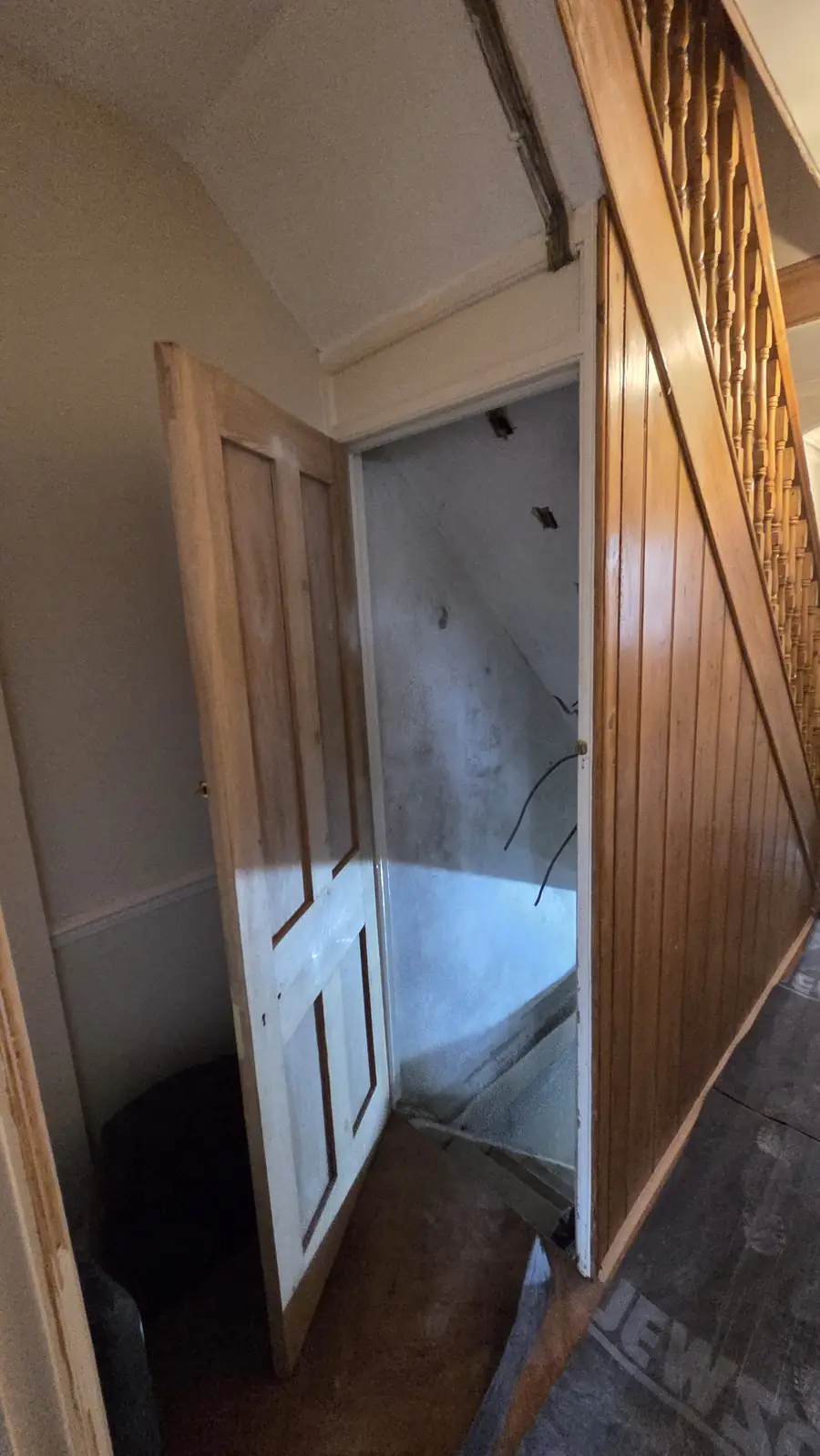
Can you convert a cellar with low headroom?
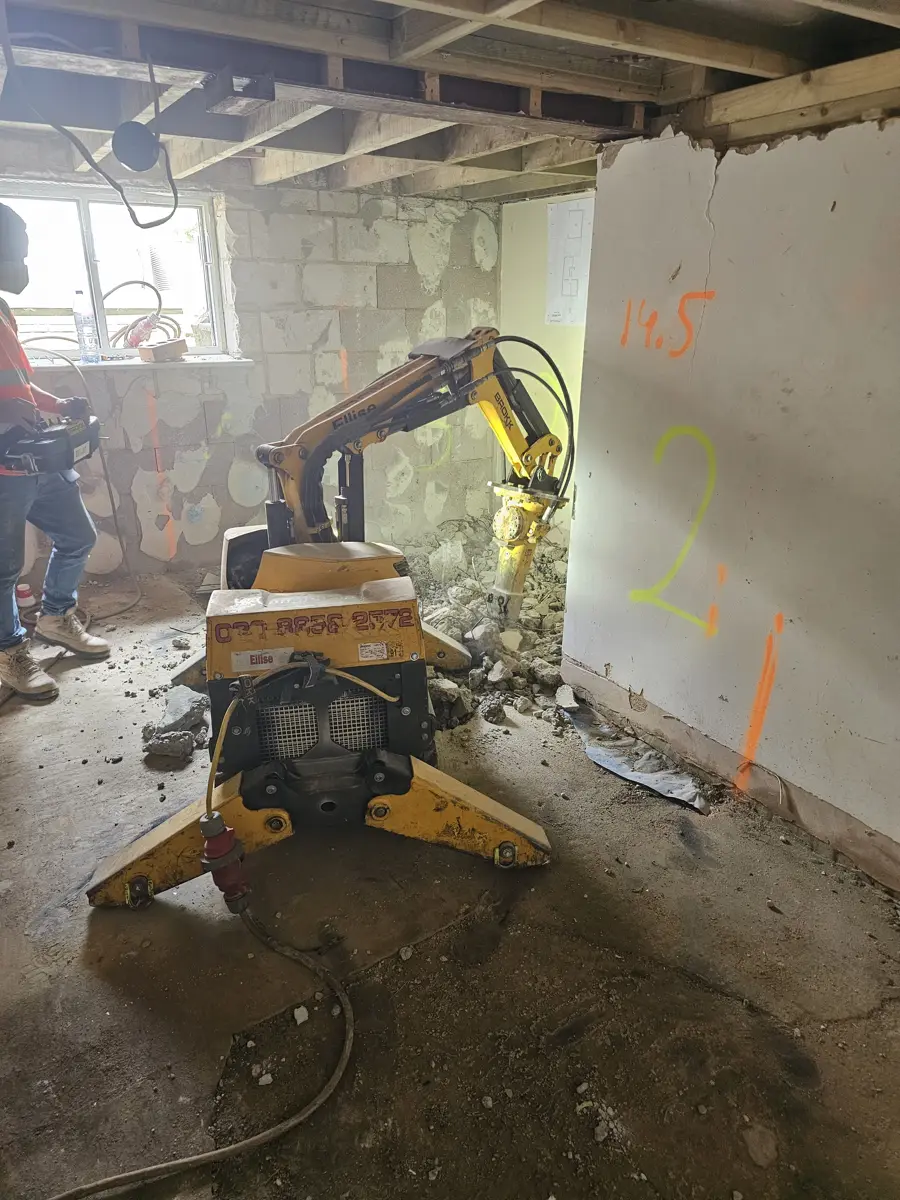
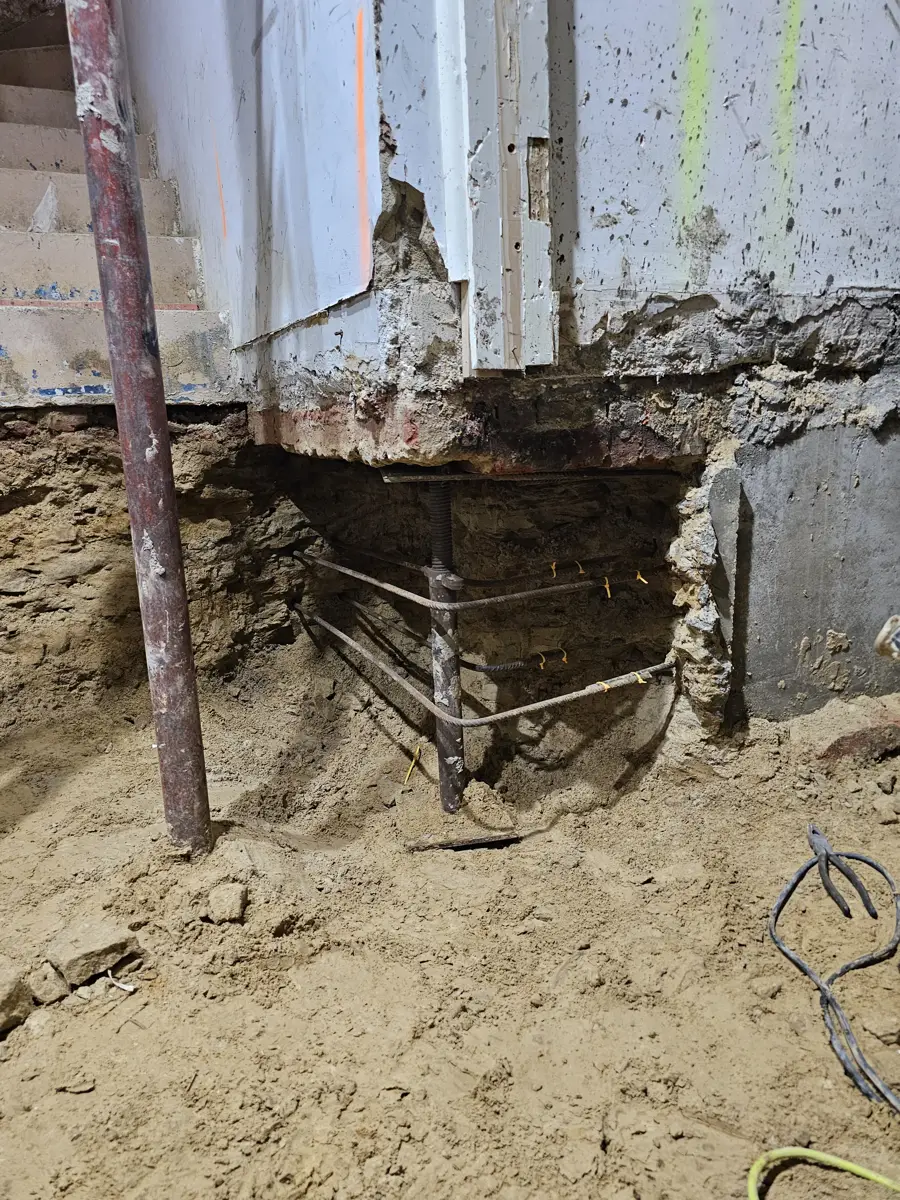
Often, yes. Many Kent cellars are usable at their existing height once the floor build-up is kept thin and the ceiling is finished neatly. Where more height is needed, the floor can be dug out and the walls underpinned. That is a bigger structural job, which we price separately after a survey. See underpinning and floor lowering and the 600 mm dig-down case study.
Can a cellar conversion be done in stages?
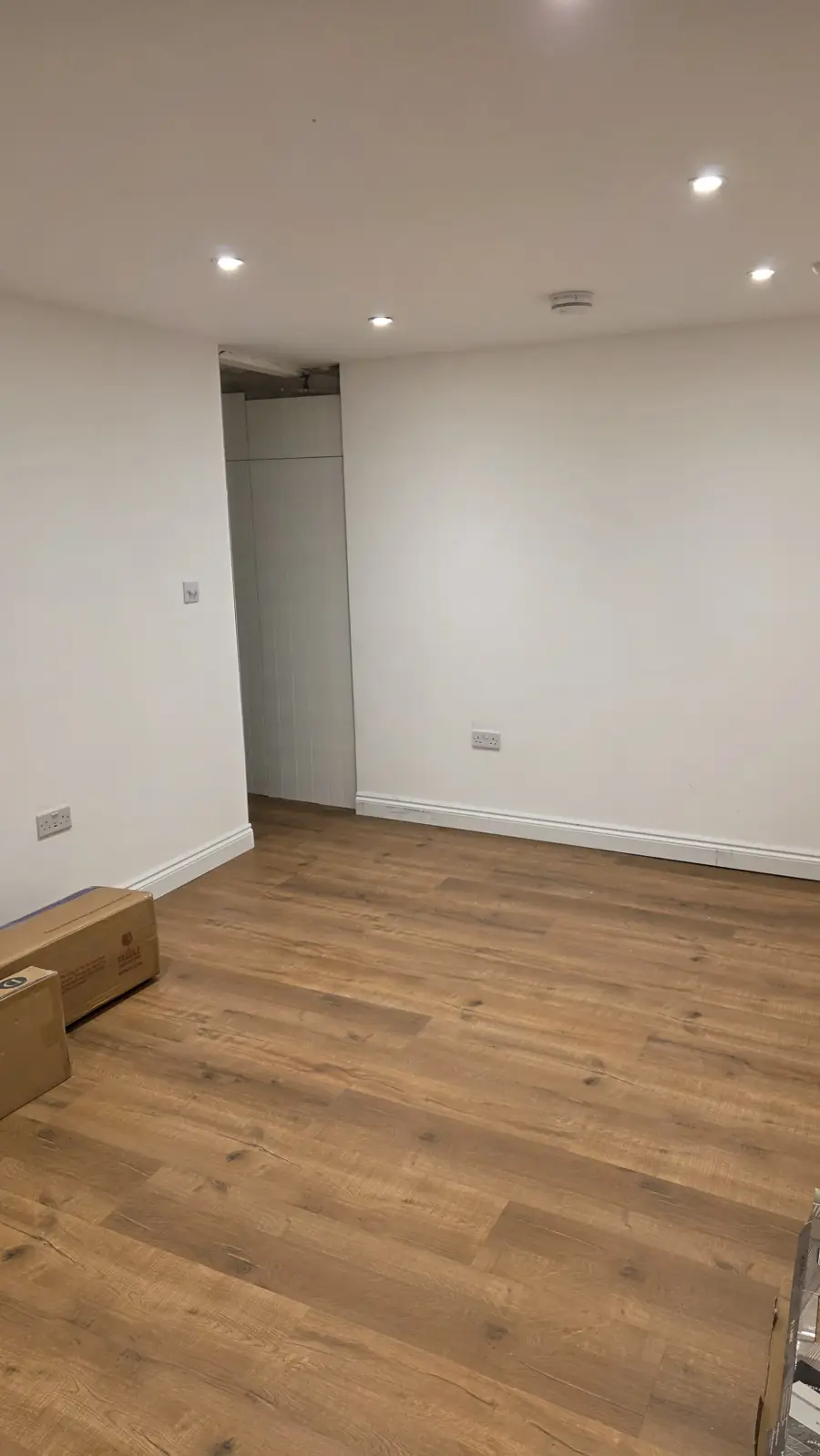
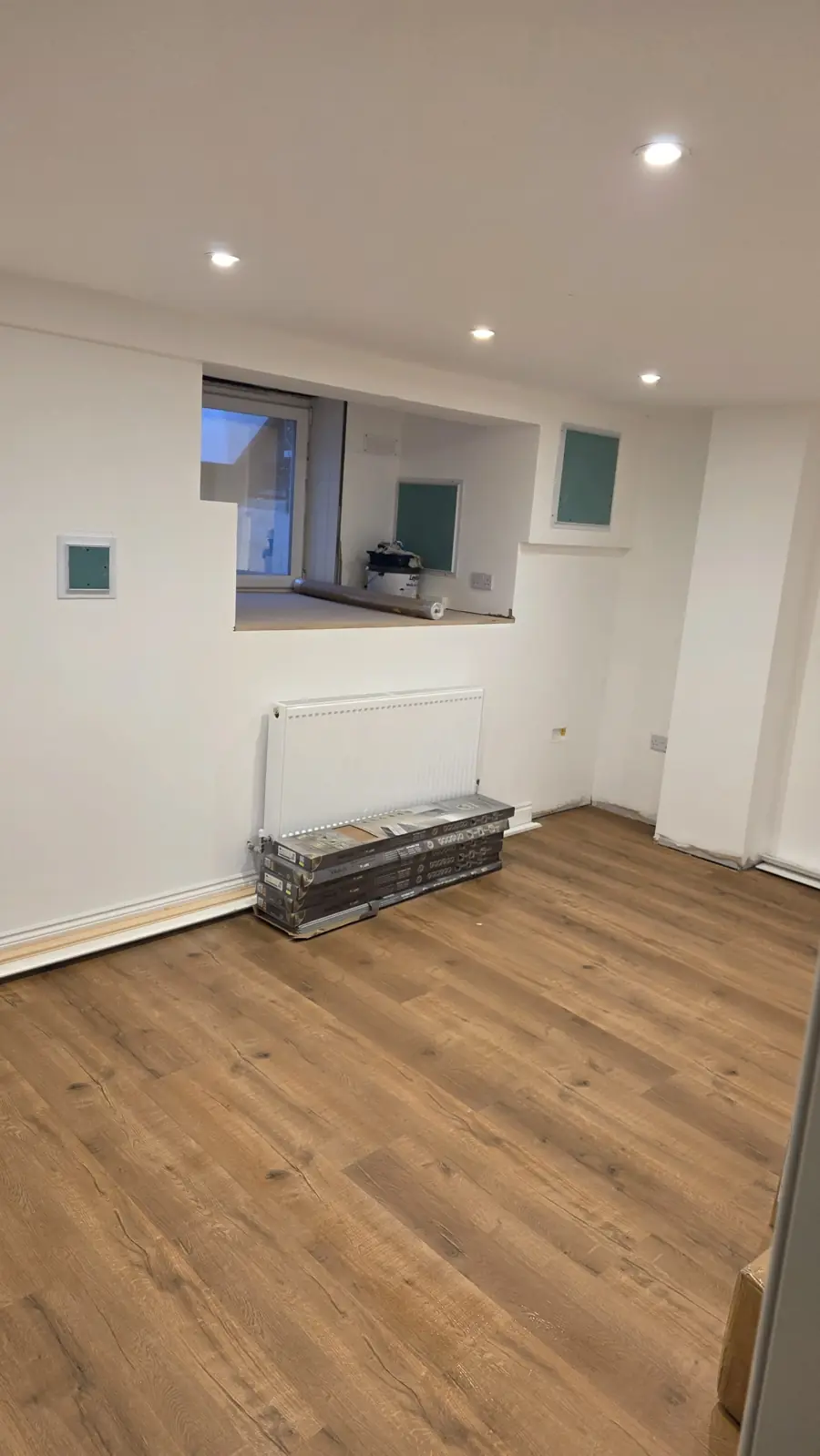
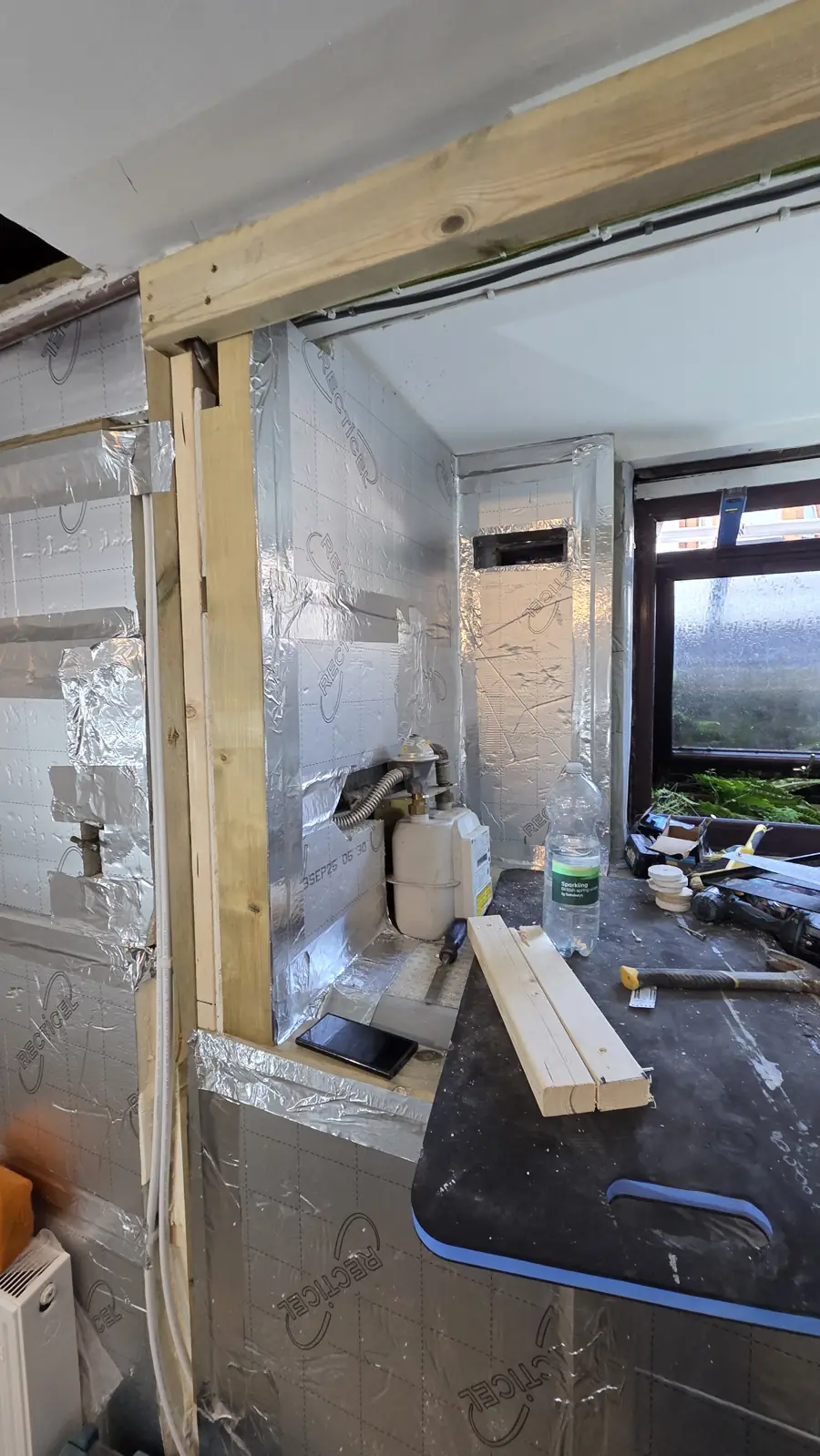
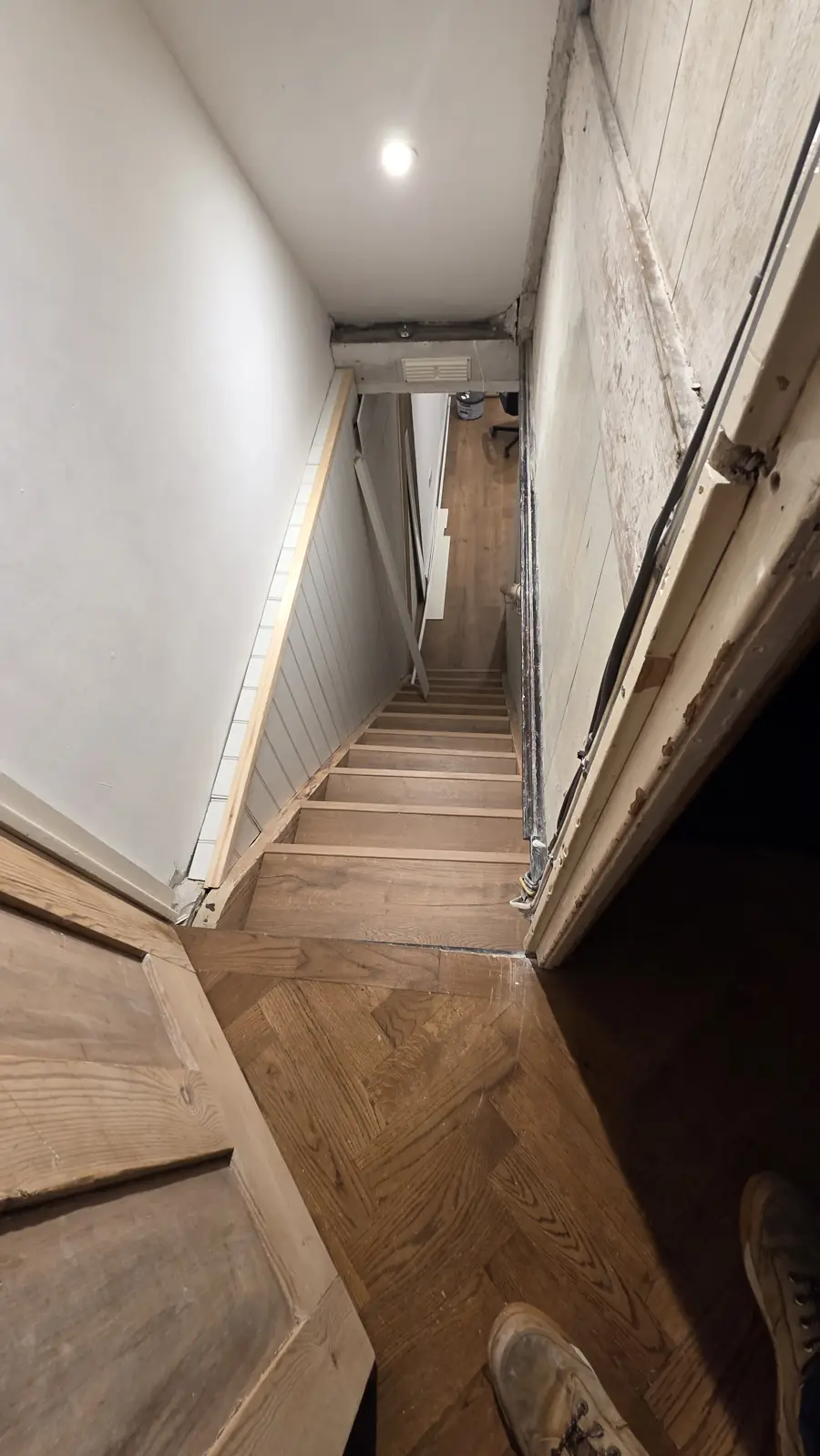
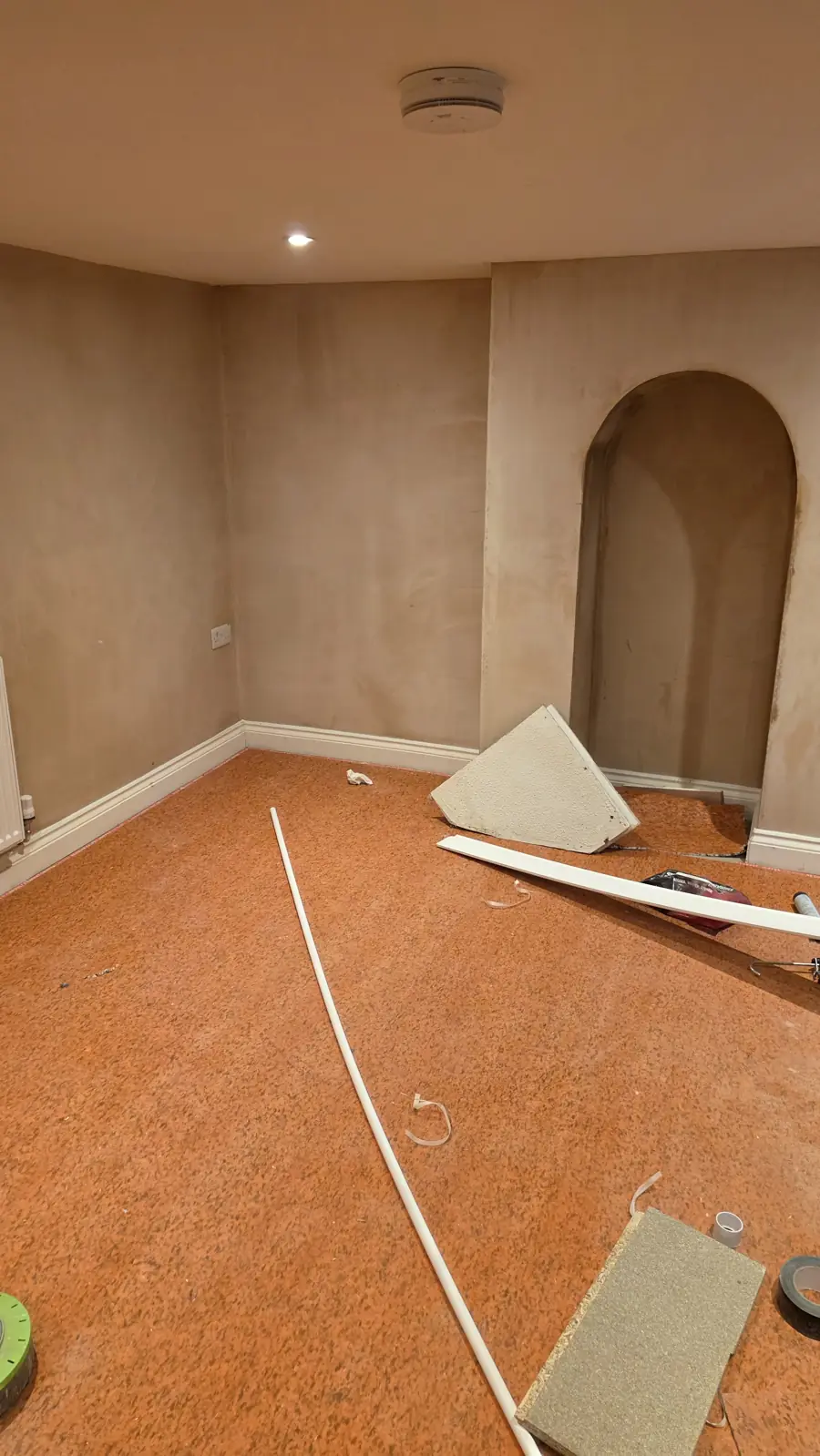
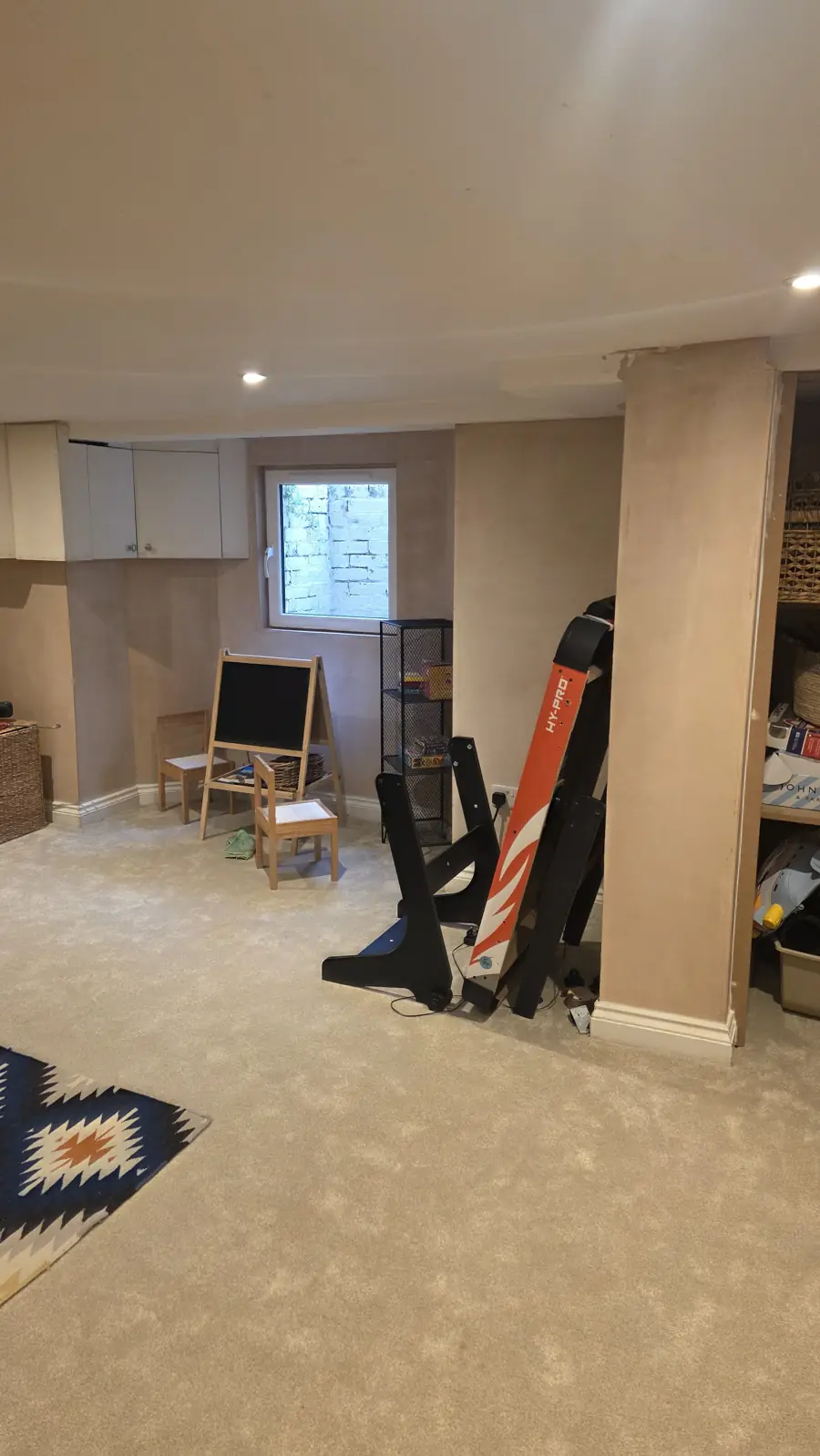
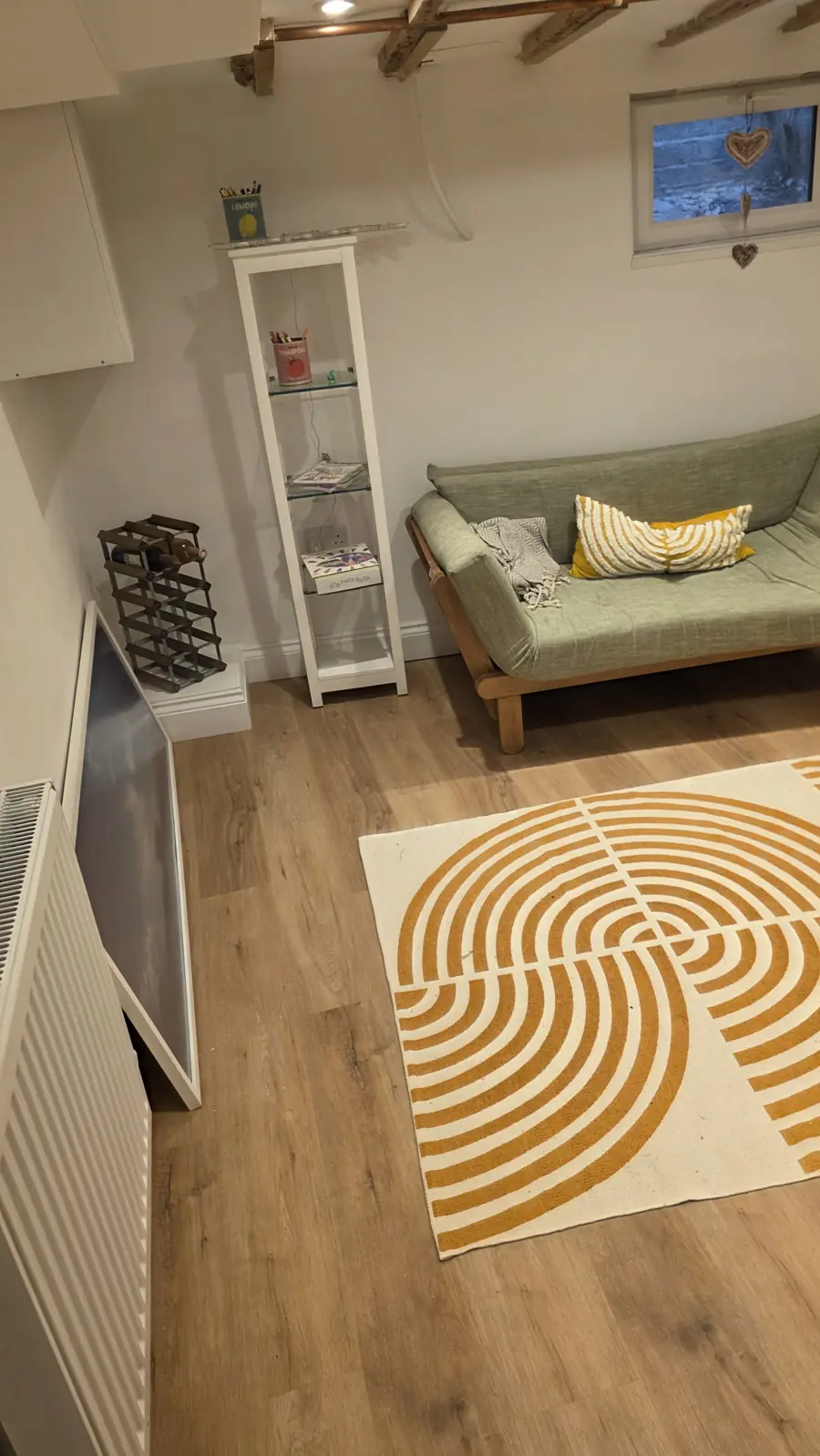
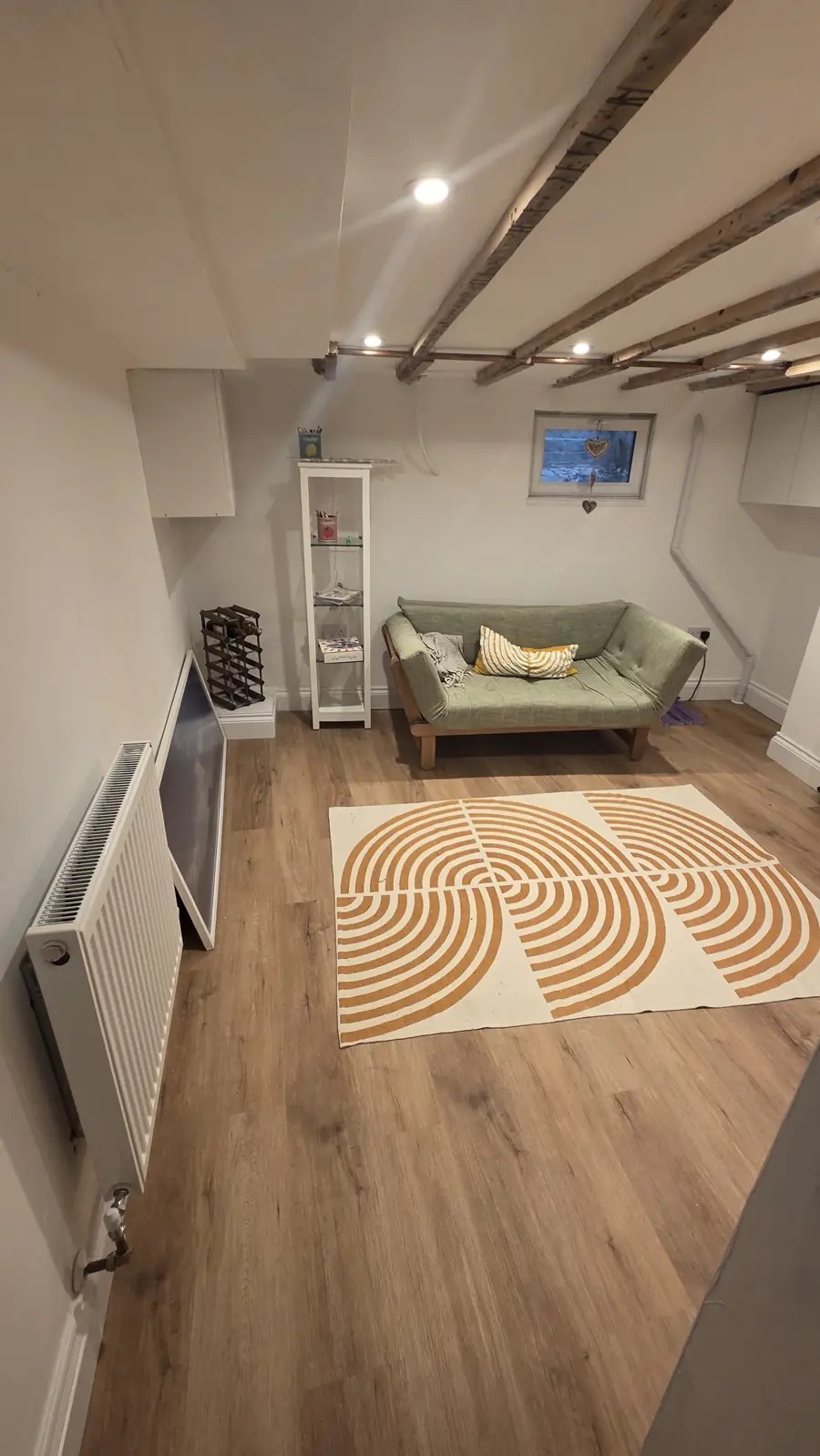
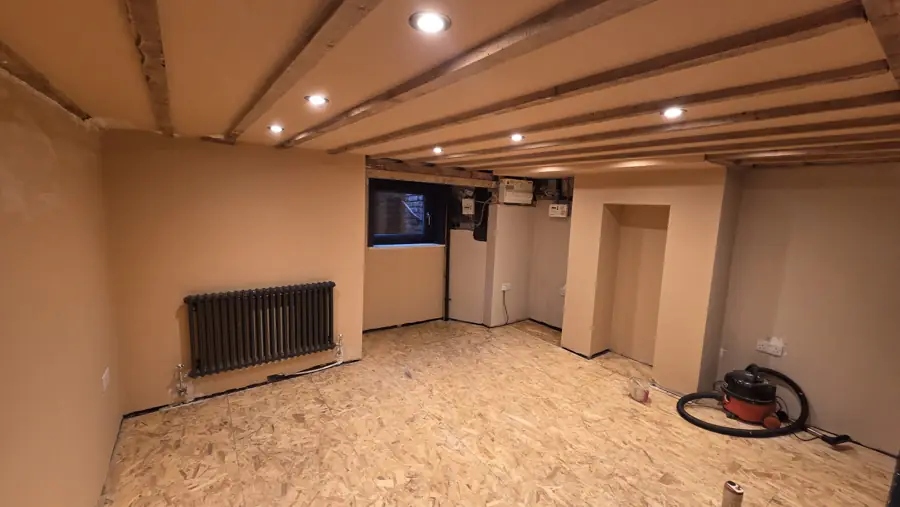
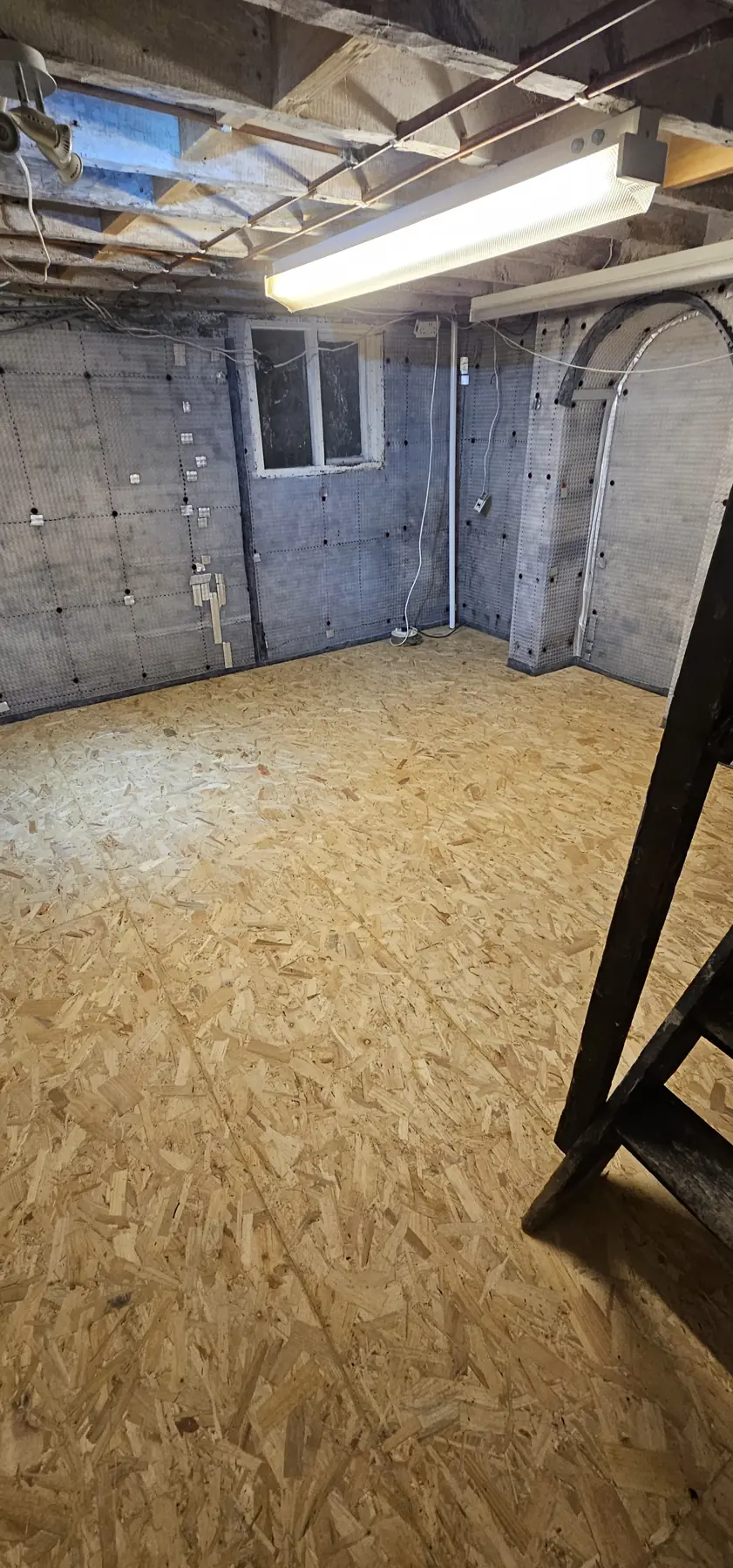
Yes, and many of our customers do exactly that. Stage one is the waterproofing: membrane to the walls and floor, drainage channels, a sump pump and a boarded floor. That gives you a dry, usable storage space straight away and stops damp travelling into the house. Stage two, whenever you are ready, is insulation, plasterboard, electrics, heating, stairs and flooring to make it a habitable room with Building Control approval. Because stage one uses the same system we fit in a full conversion, nothing is redone or paid for twice. See the two-stage case study above.
Do I need planning permission to convert my cellar?
Converting an existing cellar into a habitable room usually does not need planning permission, because it does not change the outside of the house. It does need Building Regulations approval for damp proofing, ventilation, fire escape, insulation and electrics. Listed buildings and conservation areas in Faversham and Canterbury can need consent. We check this before any work starts.
How long does waterproofing or a conversion take?
Waterproofing a typical cellar with a membrane and sump pump takes about one to two weeks on site. A full conversion with plastering, electrics, heating and flooring usually takes four to eight weeks, depending on size and finish.
Does a sump pump need servicing?
Yes. The pump is the one moving part in the system, so it should be cleaned and tested regularly and the channels flushed. For most basements we recommend every year. Where very little water comes in we are happy to stretch that to every two years, and where a lot of groundwater arrives, or the basement is a utility room with a washing machine draining into the pump, twice a year is the safe choice. We service pumps across Kent, London and the South East from £150 + VAT a visit, whoever installed them, and can fit a battery backup and high-water alarm so the system keeps working in a power cut. Pump servicing prices and what is included.
Is the work guaranteed?
Yes. You get a written 30-year warranty on our waterproofing work. Fit the full system with a sump pump and the warranty is insurance-backed, so it is protected even if the company changes hands. The same team stays responsible for your cellar from survey to final check, and regular pump servicing keeps the system, and the warranty, in good order.
How much value does a cellar conversion add to my house?
Zoopla puts it at around 10% to 15% of the home's value, and industry cost guides say 10% to 20% for an existing cellar, with the top end in towns where there is no room to extend. On a £400,000 Faversham or Canterbury house that is roughly £40,000 to £60,000 for a conversion that typically costs £18,000 to £22,000 + VAT. The uplift only holds if the room is dry, warranted and Building Regs approved, which is why we waterproof first and give a 30-year warranty. Even a stage-one waterproofed cellar helps a sale, because a damp cellar is one of the most common reasons buyers pull out or renegotiate.
Which areas do you cover?
We are based in Faversham and work across Swale and East Kent, including Canterbury, Whitstable, Herne Bay, Sittingbourne, Sheerness, Ashford and Thanet. For larger projects such as full cellar conversions and structural waterproofing we travel anywhere in Kent.